The advantages of integrated blinds

Integrated blinds are nothing new, but they have gotten more sophisticated over the last decade. For example, you can now get integrated blinds that work by remote. You can also get blinds that automatically close and open on a timer.

There are numerous advantages to integrated blinds over regular blinds and they can also replace curtains to make rooms appear larger.

What are integrated blinds?

Integrated blinds sit between two panes of glass, so they are built into double glazed windows and doors. They used to be incredibly expensive but recent innovations mean they are now cheaper than they have ever been.

The advantages of integrated blinds

Integrated blinds are often overlooked in favour of regular blinds for existing windows and doors because they are more expensive with more installation criteria, but they are superior products for several reasons which we’ll go into now.

Integrated blinds never need cleaning

Integrated blinds are installed between two panes of glass. This sealed environment produces no dust, and it is sealed off from the elements, so no cleaning is required (and in many cases, it would be impossible anyway).

Integrated blinds don’t shake around when it’s windy

Regular blinds are annoying when you need to open a window. Even when they are rolled up they shake around with the slightest breeze. Integrated blinds are sealed between two glass panes, so they never shake when it’s windy.

Integrated blinds last longer than regular blinds

Because integrated blinds are sealed away, there is no risk of them getting damaged with use. They will last as long as the pulley system holds up. Your integrated blinds should last as long as your glazing, which could be decades.

Integrated blinds look better than blinds and curtains

If you’re installing new patio doors, bi-fold doors or windows, you can get units with integrated blinds built in. Not only do these look better than windows with external blinds and curtains, but they also open up your home with a cleaner look.

Integrated blinds let you play with natural light

Because integrated blinds are installed individually in each glazed unit, you can open up different areas of a room to natural light. For example, you could let light in from a window and restrict it from another to prevent glare on your TV.

Integrated blinds are cost-effective

Integrated blinds cost more than curtains and external blinds, but you pay for all the advantages outlined above. The biggest pluses in terms of cost are that integrated blinds last over a decade and they always look like new.

Fancy a quote?

As one of Yorkshire’s leading double glazing companies, we supply integrated blinds and offer the option for all new window and door purchases.

Our integrated blinds have an innovative magnetic pulley system that lasts longer than mechanical pulley systems. We offer integrated blinds in most double glazing. The additional cost is around 30% on top of the cost of the windows. To find out more, call us on 01977 700025 or email us at info@kglazingltd.com.
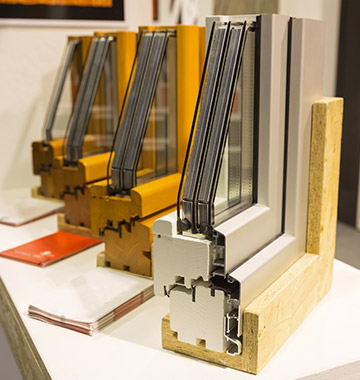
Is it worth getting triple glazing?

In Scandinavia and Canada, triple glazing is standard on new builds because it is a considerable improvement over the best double glazing.

Triple glazing can significantly improve the thermal efficiency of your property by keeping more heat in and eliminating cold spots near windows. However, whether it is worth getting in the UK really depends on what you want to achieve.

If you want to create the most thermally efficient property possible, then triple glazing is the finest product on the market. Eco homes use triple glazing because they have very little heat transfer, helping a building retain heat.

The caveat is that this performance comes at a price.

Over double glazing, you’re looking at circa £150 more per window. This means to fit property with 10 triple glazed windows, you are looking at a £1,500 premium over double glazing, not including patio and bi-fold doors.

This is a significant cost increase, which, if you don’t live in a cold climate, maybe too high to warrant, unless you want extreme thermal efficiency.

In our opinion, triple glazing is actually a bargain. It takes a lot more time to manufacture than double glazing and in many ways, it is overengineered for thermal efficiency. This leads to an extremely high-quality end product.

Looking beyond the benefits of thermal efficiency

Most properties in the UK do just fine with A-rated double glazing because the climate is mild. However, there are other benefits to triple glazing.

Noise insulation

The biggest benefit aside from better thermal efficiency is better noise insulation. Triple glazing reduces traffic noise by over half. In areas with a lot of noise pollution, this creates a much more relaxing environment. Its ability to reduce low-frequency noise (e.g. thunder rumbling) and high-frequency noise (e.g. car horns) mean it is far better suited to cities and properties that are located near busy roads.

Greater security 

Another tangible benefit is security. Three panes of glass are more difficult to smash through than two. When a brick is used to smash double glazing, the brick will smash the first pane and often take the second pane with it. With triple glazing, the frame is thicker and more robust, so in addition to an extra pane of glass, you have the effect of far greater shock absorption. Bricks often bounce off it because of this.

Property resale value

The quality of your windows can play a small role in the value of your property. When prospective buyers see the words ‘TRIPLE GLAZING’, they know that a property has had thought put into it and money spent on it. You can use your windows as a selling point to appeal to those who don’t want to spend money when they move in. In doing so, you can sell faster and get the price you want.

So, triple or double?

Double glazing is the cheapest option and in terms of thermal efficiency, A-rated windows do just fine in our mild British climate.

However, triple glazing is far superior in terms of thermal efficiency, noise insulation and security. You pay a premium for these benefits, but they are worth having if you can afford them and you do notice a difference in practice.

When we enter a property with triple glazing, we can tell immediately if it is triple glazed without inspecting the windows because it is dead silent inside. Double glazing gives away more noise. It also feels cooler to the touch.

You might also be pleasantly surprised by a quote for triple glazing. It is typically 30% more than double glazing but there are deals to be had. Glazing specialists like us can source triple glazed windows at lower prices than the high street.


Double glazing doesn’t always need replacing – here’s why

It is a common misconception that double glazing needs to be replaced when it has condensation problems.

All double glazing is designed to last decades, and most problems that cause a decline in thermal performance can be fixed. From condensation to droughts, most windows have a serviceable issue that is cheap to complete.

In other words, you probably need glazing repairs, not new windows.

Serviceable parts on windows

We’ve all seen consumer watchdog type shows about unscrupulous window salespeople conning people out of money. The number one trick is to convince people they need brand-new windows for replaceable parts.

Here is a list of such parts for glazing repairs:

  • Handles
  • Locks
  • Hinges
  • Beading
  • Glass
  • Georgian bars
  • Plastic frame sections

In rare cases, some of these are not replaceable or repairable, but nine times out of ten, a fix doesn’t involve complete replacement.

Fixing the most common issue: condensation 

Condensation is the biggest issue with old double glazing. In modern units (units manufactured in the last five years), condensation is a manufacturing defect or a sign of low quality windows (usually sourced from China).

The good news is condensation is fixable.

Condensation forms when air seeps into the unit and moisture is trapped between the panes because the seal is spent.

How do we fix condensation issues? By removing all moisture and replacing the seal, so that moisture can no longer form between the panes.

Additionally, we can perform an argon upgrade. Argon has better insulation than air, so you have an opportunity to improve your window’s thermal qualities.

Stuck and broken locks and handles

All double glazing – indeed, all windows – are susceptible to lock and handle issues, especially when the windows are used a lot.

Thankfully, we can replace locks and handles, and in some cases, all that is required is a little lubrication for the lock and hinges. An inspection by our experts will determine the best solution for your windows, and it is unlikely to be expensive.

Broken seals (the cause of most droughts)

If your windows are letting cold air in, it’s probably the seals outside the property that are spent rather than the internal seals. Gaps in caulking are common, but the mortar around the frame might also need replacing.

Caulking and mortar are simple DIY jobs requiring no expert help. However, if your windows need new seals internally, you should get an expert.

Internal seals require specialised products with careful placement to stop them from being damaged with friction and pressure (opening and closing). Thankfully, such jobs are not expensive and don’t take long at all.

Overall

Unless your windows are smashed and badly damaged, most problems are repairable with new parts. Locks and handles, hinges, seals, and even glass (in some cases) can be replaced with no need to look for new windows.

Whether your double glazed windows are wooden, aluminium or UPVC, we offer timely and affordable glazing repairs. Get in touch for a quote.


Should you go for a Leka conservatory roof replacement?

If you don’t use your existing conservatory too much, you’re not alone. The commonest bugbears we hear from conservatory owners go like this:

“My conservatory is too hot in summer”

“My conservatory is too cold in winter”

“My conservatory is too bright and suffers from glare”

If you can relate to these issues, then your conservatory probably has a polycarbonate or glazed roof. These roofing systems look great in brochures, but in the real-world, they can be less than ideal and have a variety of issues.

The advantage of a solid roof

Solid roofs are less common than glazed and polycarbonate roofs because up until recently there wasn’t a lightweight solid roof for conservatories on the market (conservatories aren’t strong enough to support a normal solid roof).

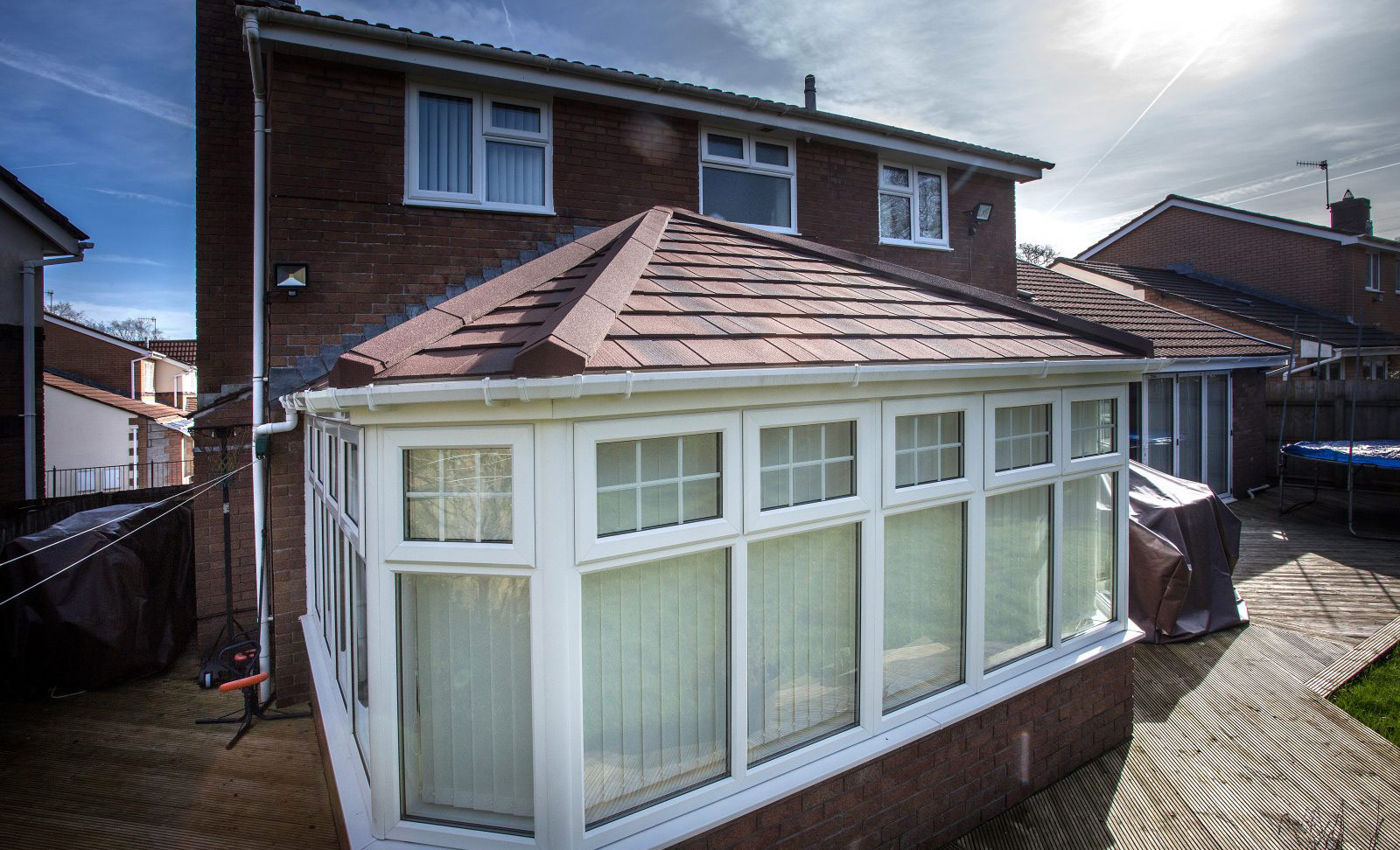
This has changed with the Leka Roof, a solid conservatory roof replacement system made from glass-reinforced plastic (GRP) and engineered roofing tiles. It can be installed on 90% of existing builds without the need for structural reinforcement.

The Leka Roof is a high-quality product and one that is admired in the trade for its quality and ease of installation. Aside from de-building the old roof and preparing the structure, the installation is straightforward and takes around 1 day.

There are several benefits to upgrading to this solid roof:

  • Better insulation – glazed and polycarbonate roofs leak heat. The Leka Roof traps heat like a regular roof, making it warmer in winter.
  • It isn’t a sun trap – glazed and polycarbonate roofs have a greenhouse effect. The Leka Roof is solid, so your conservatory stays cooler in summer.
  • It reduces glare – glazed and polycarbonate roofs let in a lot of sunlight. The Leka Roof lets in far less, reducing glare by up to 60%.
  • It will match the roof of your house – the Leka Roof uses engineered tiles that can mimic the appearance of the tiles on your house.
  • It can be in any style – The Leka Roof can be designed in Victorian, Edwardian, Gable Ended, Combination and Lean-to styles.
  • It’s built to last – Every Leka Roof comes with a 40 year warranty on the roof layers, in addition to our own installation guarantee.

How much does the Leka Roof cost?

The Leka Roof costs anywhere from £6,000 to £12,000, depending on how big your conservatory is and whether you have skylights.

The Leka Roof can be paired with class-leading Velux windows with in-built blinds. This will increase the cost, but many homeowners find the extra cost worth it.

It’s also important to consider the different roof designs available. The Leka Roof can be designed to change the style of your conservatory, with Victorian, Edwardian, Gable Ended, Combination and Lean-to roof styles available. Greater complexity means higher cost. Most homeowners choose a like-for-like replacement.

Is upgrading to the Leka Roof worth it?

Your conservatory should be a place where you can relax and enjoy your garden in any weather. If you don’t use your conservatory because the space is uncomfortable, then you are wasting a lot of valuable living space.

And so, you have a choice. You can either learn to live with your uncomfortable conservatory, or you can upgrade the roof and make your conservatory a much nicer place to spend time. Of course, the latter comes at a price.

The Leka Roof costs £6,000 to £12,000 (on average) so this is by no-means a cheap and cheerful home improvement project. However, it is one of the most rewarding, and in our opinion, it’s one of the best ways to improve what you already have.

A lower cost alternative to consider are Panel X conservatory roof panels


Conservatory styles explained

Conservatories fall into styles based on their roofs.

For example, we call a conservatory ‘Edwardian’ if it has an Edwardian roof and ‘bespoke’ if it marries different roof elements.

Choosing a conservatory style is as simple as understanding how different roof types play with floor space. Your decision will be partly based on aesthetics and functionality, with some styles better suited to small or large spaces.

In this article, we’ll explain the most common conservatory styles.

Let’s jump in!

Gable

A gable conservatory has a rectangular floor plan, a triangular front and a gable roof (two sides sloping downward toward the walls).

Gable conservatories give the illusion of more space because the roof pitches towards the middle, yet the floor is relatively compact. Gable conservatories are great for small spaces, and they can also cover up an ugly property facing.

Lean-to

A lean-to conservatory has a rectangular front, and a roof that leans into the main building, with a single slope roof joined to the building.

Lean-to conservatories blend into the main building and appear to be an extension, even though the structure is separated. They have a rectangular floor plan that maximises space, making them ideal for gardens with modest space.

Georgian 

A Georgian conservatory has a rectangular floor and front with a Georgian roof (pitches on four sides at around 40 degrees) and window bars known as Georgian bars.

Georgian conservatories are a traditional choice, best-suited to square floorplans and small spaces. Due to the height of the roof, these conservatories do not suit bungalows but are a good choice for buildings with two storeys.

Victorian 

A Victorian conservatory has faceted sides (5 to 7) with clear glass and a Victorian roof (pitched at 25 to 45 degrees).

Victorian conservatories are distinguishable from Edwardian conservatories simply by the faceted structure and clear glazing. Although the awkward shape can reduce usable floor space, the Victorian style is popular for looks.

Bespoke

Bespoke conservatories have unconventional layouts (e.g., L shapes) and roofs that combine different designs. For example, the conservatory might transition from a gable roof to a flat roof towards the main building.

The idea with bespoke conservatories is to build a unique space and not available from a brochure. At K Glazing, we specialise in building bespoke conservatories, handling the whole process from design to build.

Block and frame

Another style distinction can be made between block and frame conservatories. Block conservatories are built with stone with window cut-outs, while frame conservatories have a stone base and a panoramic UPVC frame build.

Both types of build are common, although most people prefer a UPVC wraparound frame to maximise light. However, block conservatories look more like extensions, so go for a block build if this is what you want to achieve.

Get in touch with us today to discuss conservatory styles. Call us on 01977 700 025 or send us an email at info@kglazingltd.com, and we’ll respond within 24-hours.


The advantages of composite doors

If you are in the market for a new front or back door, composite doors are one of the many options available to you.

By now, you have probably noticed that composite doors are more expensive than UPVC doors. So the question is, are there any advantages to composite that make the extra outlay worth it? Should you go to composite?

In this article, we’ll discuss the advantages of composite doors with a few comparisons to UPVC to help you come to the right decision.

Strength

The outer material of a composite door is made from glass-reinforced plastic (GRP) which is another name for fibreglass.

GRP (‘fibreglass’) is stronger and more impact resistant than UPVC. This makes it more difficult to ‘kick in’. When door manufacturers make high-security doors for homes, they like to make them out of GRP for this reason.

Durability  

The ‘strength’ of a door is only part of the tale when it comes to durability. For a door to be durable, it also needs to have a good build. This means a steel frame, a solid core and foam to insulate and absorb shock and impacts.

When similar doors made from composite and UPVC are compared in stress tests, composite doors tend to fare better than their UPVC counterparts. This is because the GRP does not give way like UPVC when stressed. GRP doors also tend to be thicker, for a greater level of insulation and home security.

Longevity

Composite doors are designed to last 30 to 40 years. This is a long time, and it will probably exceed the amount of time you stay in your current home.

Compared to other doors, composite compares favourably. A hardwood door will last 15 to 20 years and a UPVC door will last 20 to 30 years.

Crucially, composite doors do not discolour (as with UPVC from sun exposure) nor do they require maintenance (as with timber doors, which may need new sills or weather bars over time). Composite doors sit pretty throughout their life.

Efficiency

Composite doors tend to be a little more efficient than UPVC doors owing to their greater density and thickness. Both types of door will reduce the amount of heat you leak and stop draughts from sending a shiver down your spine.

Compared to wooden doors, composite doors are more efficient because they are made from materials that better insulate a building. They normally have a solid timber or plastic core with a thermal lining to prevent heat transfer.

Styling, colours & design

One of the advantages composite doors have over UPVC doors is they have no plasticky sheen. Composite can be a much more convincing replica of hardwood and most people will not be able to tell the difference until they knock on it.

You can now get composite doors in any style, colour or design. They are just as readily available as UPVC doors. You can also choose a smooth or timber effect. The styling options are endless, just like with timber and UPVC.

Is a composite door right for me?

On average, composite doors cost 30% more than UPVC doors. You won’t earn this money back from lower energy bills, but you will have a more secure home.

The reason composite doors are more expensive is that they are manufactured in a more sophisticated way using more expensive materials. The benefit to buying into this is you get a more secure door to keep your home safe.

Is the extra security worth it? That’s for you to decide. In our opinion, the quality and security of composite doors make the extra cost worth it. Also, composite doors look more like timber than UPVC, making them nicer to look at.


Triple glazing energy savings – does the math work out?

With energy prices rising and switching suppliers yielding increasingly lower rewards, looking for other ways to lower your energy bills is an intelligent thing to do.

The simplest way to lower your energy bills is to use your central heating less because boilers (be them electricity or gas-powered) consume A LOT of energy. However, for this to be practical, your house needs to retain heat efficiently.

One way to increase your home’s ability to retain heat is with triple glazing, a product Scandinavian housebuilders fit as standard. This article will look at whether triple glazing is worth it in the UK, with practical advice from our experts.

Triple glazing vs double glazing 

A common misconception about triple glazing is it isn’t worth it in the UK, where the balmy average winter temperature of 7°C makes double glazing more than adequate.

While double glazing is adequate, triple glazing is 40% to 60% better than A-rated double glazing at retaining heat, a significant increase that can be felt in any home.

The biggest loss of heat in most double-glazed houses is the windows, despite what window manufacturers say. This is especially true of double glazing made over a decade ago, which can be up to 50% less efficient than modern glazing.

You WILL get your money back in energy savings

How much more expensive is triple glazing compared to double glazing? For any like-for-like window, you will pay around 40% more.

However, triple glazing will pay you back within a decade of installation, providing you use your boiler less (which should happen naturally with a warmer home). Your glazing should also last 20 years or more, so the savings add up over time.

The short-term benefit to triple glazing is a warmer home, with cost savings compounding over time. If you need new windows and are considering triple glazing, you will pay around 50% more (so a £3,000 project becomes a £4,500 project).

Other benefits to triple glazing 

In addition to keeping your home warm for longer and reducing your energy bills, triple glazing eliminates cold spots near windows. It also significantly reduces exterior noise and makes windows virtually soundproof from the inside.

Another unspoken benefit to triple glazing is the enhanced security – three layers of glass are harder to smash than two layers of glass.

It’s also important to point out that the world’s finest new eco-homes always have triple glazing. If you are concerned about climate change and intend to install solar panels and ground source heat pumps, triple glazing is essential to retain heat within your home and reduce dependency on the grid.

The bottom line with triple glazing

The question of whether triple is glazing is worth it depends on if you can afford it. If you need new windows anyway and can afford to pay 40% more than double glazing, you will enjoy a significantly warmer home in return.

The maths also works out over the long term – triple glazing pays itself back within a decade through lower energy bills.


The benefits of acoustic glazing

If you think the difference in noise levels between single glazing and double glazing is enormous, acoustic glazing will blow your mind.

Acoustic glazing is engineered to absorb sound and vibrations at all frequencies, so it’s better at stopping unwanted noise than other types of glazing. It’s perfect for noisy areas like city centres, motorways, train lines and airports.

How does acoustic glazing work?

Acoustic glazing consists of layers of laminated glass bonded together with a sound dampening core between the panes. This glass sandwich is a near-impenetrable wall that absorbs, reflects and dampens sound and vibrations.

The effectiveness of acoustic glazing is determined by the thickness of the product and the quality of the core. The core is meant to stop sound and vibrations from moving between panes, and the most common material is PVB (Polyvinyl butyral).

7 acoustic glazing benefits

  1. Extreme noise reduction

Standard acoustic windows have a dB rating between 32 and 38, around 20% better than standard double glazing, and better than triple glazing. As a rule of thumb, each additional mm of thickness reduces sound by 1dB.

  1. Soundproofing

Acoustic glass is better than double and triple glazing for soundproofing rooms like music studios and home cinemas. The material stops sound and vibrations both ways, helping to keep neighbours happy by keeping noises inside.

  1. Variety of thicknesses

Acoustic glazing is commonly available in thicknesses ranging from 6.8-12.8mm, making it suitable for most window boxes. Thicknesses above 6.8mm may require modification to the window box, to accommodate a thicker frame.

  1. Variety of styles

Acoustic windows can be manufactured in any style. They can replace sash windows, bay windows, bow windows and casement windows. Many standard designs are available, or we can manufacture custom windows for your home.

  1. Cheaper than you think

When comparing acoustic glass with modern double glazing, acoustic glass is around 20% more expensive, on par or slightly less than modern triple glazing. This may be suitable for your budget and we offer finance to spread the cost.

  1. Enhanced security

It is more difficult to smash through acoustic glazing than double and triple glazing because there is no air between the layers. The layers are bonded and laminated, creating a thicker, stronger product that is harder to penetrate.

  1. Good thermal efficiency

Acoustic glazing can be as thermally efficient as standard double glazing. There’s no gas between the panes, but the product is thick and laminated. It offers a good sound-thermal balance, weighted more heavily to the sound side.

Should I get acoustic glazing?

You should consider acoustic glazing if double glazing isn’t reducing sound and vibrations enough. One of our customers contacted us because they live near an airport, while another wanted acoustic glass because they live next to a train track.

You will typically pay a 20% premium for acoustic glazing over double glazing, in return for a 20% improvement in acoustic performance.

Whether acoustic glazing is right for you depends on whether its performance will meet your expectations for the price. Acoustic glazing makes a big difference, but like all glazing, it doesn’t eliminate sound and vibrations completely.


The importance of maintaining fascia and soffits

Your roof is probably the most neglected part of your house.

As bad as that sounds, roofs are designed to be left alone. They only need maintenance when something goes wrong.

This normally manifests as a leak, but sometimes you can tell if maintenance is needed by the condition of the fascia and soffits. These are visible from ground level. They are exposed to the elements, and they do weather over time.

What fascias and soffits do

Fascia boards and soffits are an important part of your roof.

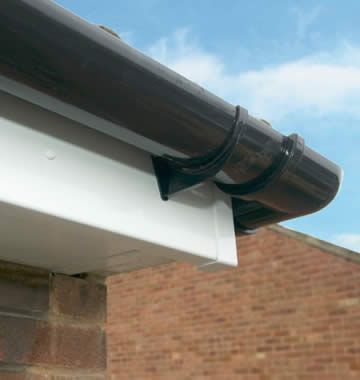
A soffit is found on the underside of your roof beside the wall. It is the board you see from ground level. It is tucked underneath the fascia board. Sometimes, soffits have vents for the attic. This is important to deal with condensation.

A fascia board is a vertical barrier covering the edge of your roof. It also carries the guttering. This makes it an essential part of your roof’s weather system. The fascia board is connected to the soffit creating a sealed unit.

Fascias and soffits are sealed at the ends with a box end. A bargeboard then extends up the roof, sealing off the roof at the sides of your house.

Common problems

Physical separation

Sometimes, fascia boards and soffits will physically separate. This could be for a variety of reasons. Examples include earth movement, worn-out glue and screws, storm damage and extreme construction problems like subsidence.

Physical separation of the fascia board and soffit is often an easy fix, requiring clamping and new adhesion measures to bring them together.

However, if rot is detected, the fascia board or soffit will need to be replaced. This also applies if you have a plastic soffit that has cracked. The good news is boards and soffits are relatively inexpensive parts. The main cost will be labour.

Rot

Soffits and fascias made from timber will rot if the paint is penetrated. This happens over a period of 10-15 years. You can extend the life of your fascias and soffits with painting, but it is more economical to use a waterproof material.

If your timber fascias and soffits have rotted, you should upgrade to a UPVC or aluminium product. This will eliminate the issue of rot forever.

Birds

This isn’t a problem with the product itself but the result of a flaw in its design. If gaps are left between a soffit and fascia, birds can force their way in. They could get into your eaves and nest. This is a problem if they can’t get out again.

If you have clunking and scratting in your eaves, you have a bird problem. You should get your fascia boards and soffits checked after nesting season to see if they are the problem. If they are, sealing them should be relatively simple.

As a side note, squirrels are also known to use the space inside fascias and soffits to nest. A problem you think is birds could be squirrels.

How to maintain fascias and soffits

For safety reasons, we do not recommend inspecting your fascias and soffits yourself unless you are trained to use a ladder.

The safest way to maintain your fascias and soffits is to have a roofing company inspect them when you get your roof inspected. Ideally, you should have an inspection after each winter, but once every two years is the next best thing.

Routine fascia and soffit maintenance can include replacing fascia and soffit sections, replacing sealant and re-joining.

However, you may need additional roofing work, because soffit and fascia problems can be caused by leaky roofs and leaky gutters. A competent roofer will be able to recommend the best course of action following an inspection.


The Beautiful History of Stained Glass Windows

Although we think of glass as something that’s manufactured, it’s found in many forms in the natural world. So, you could say that glass is as ancient as rock.

The Romans appear to be the first civilisation to use glass in windows with coloured glass fragments dating to the 7th century excavated in Northumbria. However, stained glass as we know it is associated with medieval times, where it was used in gothic architecture in places of worship. Many ancient examples still exist today.

The oldest remaining stained glass in situ (in its original installation) survives in Canterbury Cathedral. It dates from the 12th century, installed in 1184. Surviving stained glass examples from the 13th, 14th, 15th and all centuries thereafter also exist.

During medieval times, stained glass was used to honour God and teach people about Christianity. It was a way to teach the poor (who were mostly illiterate at the time) about God. Stained glass played out important stories from the books of Genesis to Revelations, so that poor people could honour God and access religion.

Interestingly, this medieval art form remains consistent through time. However, we can distinguish some 12th-century stained glass examples from later glass because clear glass was developed during the 13th century. The oldest example of clear class survives in the Five Sisters window at York Minster. It’s still in place if you’d like to see it.

Summing up, the history of stained glass windows goes back centuries and there are preserved examples across the UK dating back as far as the reign of Henry II. Stained glass has survived the ages and is considered one of the purest artforms.

Add a touch of colour to your windows and doors

Stained glass became popular in homes from the 1860s to the 1930s where it was used for features in front doors and stairwell windows. Its popularity fizzled out after the Second World War but saw a resurgence in the 1980s. Today, stained glass is a stylish, timeless and classy home feature, especially for period properties.

If you want to add a touch of colour to your windows and doors, stained glass is a great choice. It suits modern and period properties, and it can be installed anywhere regular glazing would be, including external and external doors and windows. It’s also available as double glazing so there’s no downside in efficiency.

Stained glass window styles

As specialist glaziers, K Glazing can manufacture stained glass to your designs, to give your home a unique touch. We also offer a standard range of more than 200 colours in a variety of styles so you can achieve exactly what you have in mind.

Stained glass can be specified in any size and design to fit anywhere regular glazing would be installed. Stained glass can be specified with double or single glazing to suit your home or we can install it with secondary glazing.

Because we are a specialist glazier, we do much more than just supply windows. We can create single stained glass sheets or incorporate your designs in double or triple glazing. We can also replicate existing stained glass designs and match your new stained glass windows to the rest of the windows in your property.

Whether you’re looking for a change, or a stained glass window in your home has smashed and you need it recreating, we’re here to help.

Get in touch with us today to discuss stained glass. Call us on 01977 700025 or send us an email at info@kglazingltd.com and we’ll respond within 24-hours.