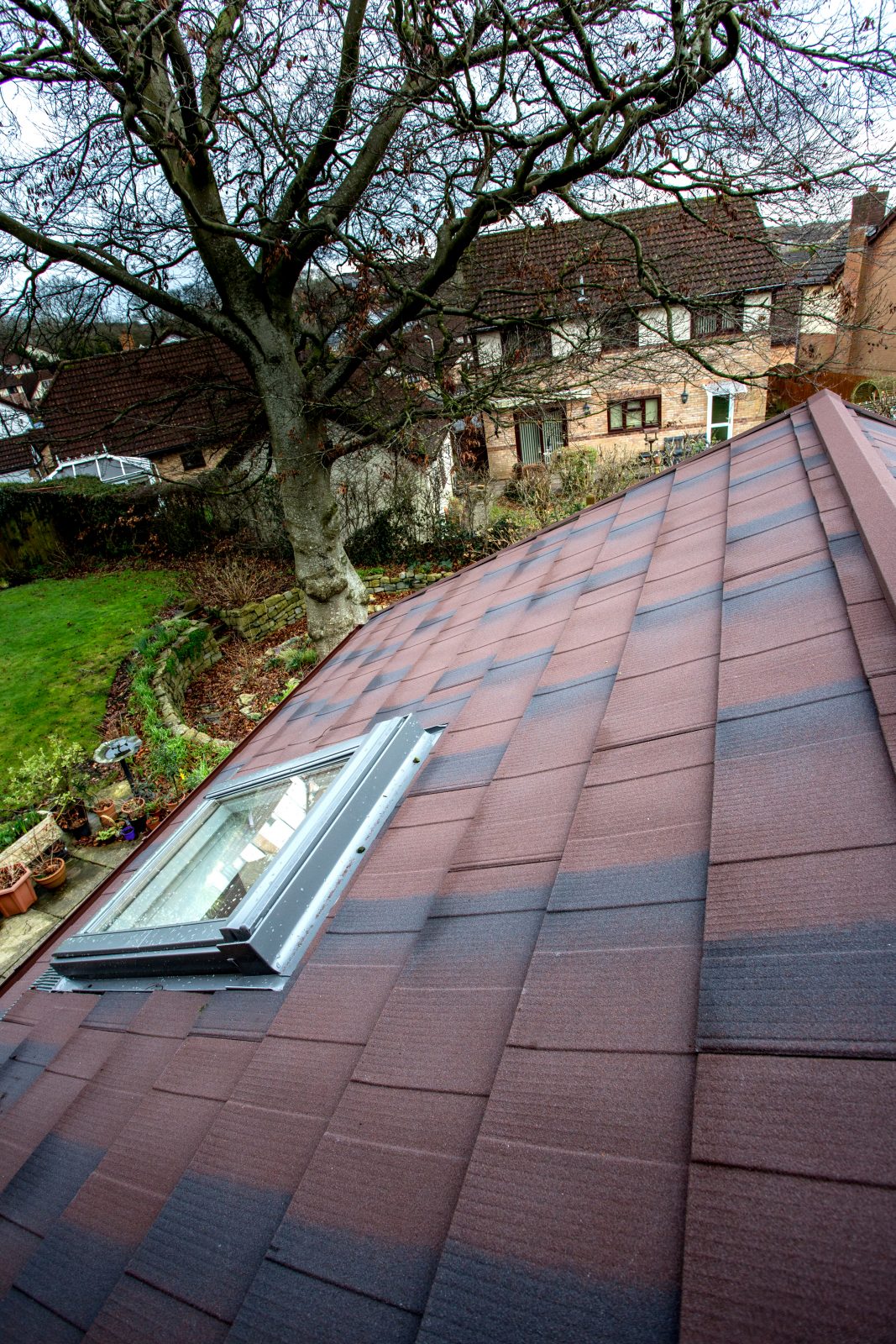
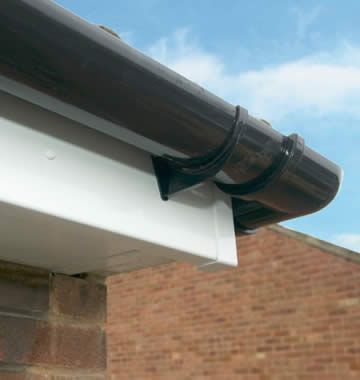
What do fascias and soffits do?

Fascias and soffits form the edge and underside of your roofing system, sealing the gap between the brickwork and the roof. They also support the bottom row of roof tiles and the gutters, so they are structural components.

There are several misconceptions about fascias and soffits, and most homeowners don’t know what they do or why they are essential.

This article covers everything you need to know about fascias and soffits, lifting the lid on what is possibly the most underrated roofing component.

Let’s jump in!

What is a fascia?

A fascia is a timber or UPVC board that spans the width of the roof edge, meeting the tiles and attaching to the underside soffits. Fascia boards are more than aesthetic devices – they also prop up the first row of tiles and support gutters.

What is a soffit?

A soffit is a strip of timber or plastic UPVC that covers the exposed underside of a roof overhang or eave. It attaches to the fascia board and box end (end fascia), sealing the gap underneath the roof from the elements.

What is a box end?

A box end is the end part of the fascia, accommodating the different angles, planes, and heights of the fascia boards. It seals the system at the end and provides the finishing look, dictating the finished profile.

How they work together

Fascias are useless without soffits, and vice versa. They are supplied and installed as single systems and form a critical part of the roof structure.

Without fascias and soffits, there would be a noticeable gap between the brickwork and the roofing system. The elements would get into the property through this gap, making it prone to leaks, heat loss, and animal habitation.

UPVC fascias and soffits connect with clips (or screws if wooden), forming a tight, boxed seal around the roof’s perimeter. We recommend UPVC for longevity – it is virtually maintenance-free and never needs painting.

What is the purpose of fascias and soffits?

Fascias and soffits perform the following roles:

  • Sealing the perimeter of the roof from the elements, animals, and heat loss
  • Propping up the first row of tiles and supporting the lower trusses
  • Providing a base for gutters and downpipes
  • Assisting with airflow to regulate attic humidity
  • Finishing the roof aesthetic by hiding underside rafters and brickwork gaps.

Why do some houses not have fascias and soffits?

Houses that don’t have overhangs don’t need soffits because the roof is sealed at the top where the tiles meet the brick/stone. Many period properties have this feature, where the walls reach the roof, sealed with mortar.

They are unnecessary if there is no structural requirement for fascias and soffits. Fascias and soffits are primarily seen in houses built after the 1930s.

Find out more

K Glazing’s UPVC fascias and soffits are virtually maintenance-free – the ideal replacement for the softwood timber originally fitted to most homes. Advice is free, and we’re happy to have a chat. Get a quote, or contact us to find out more.
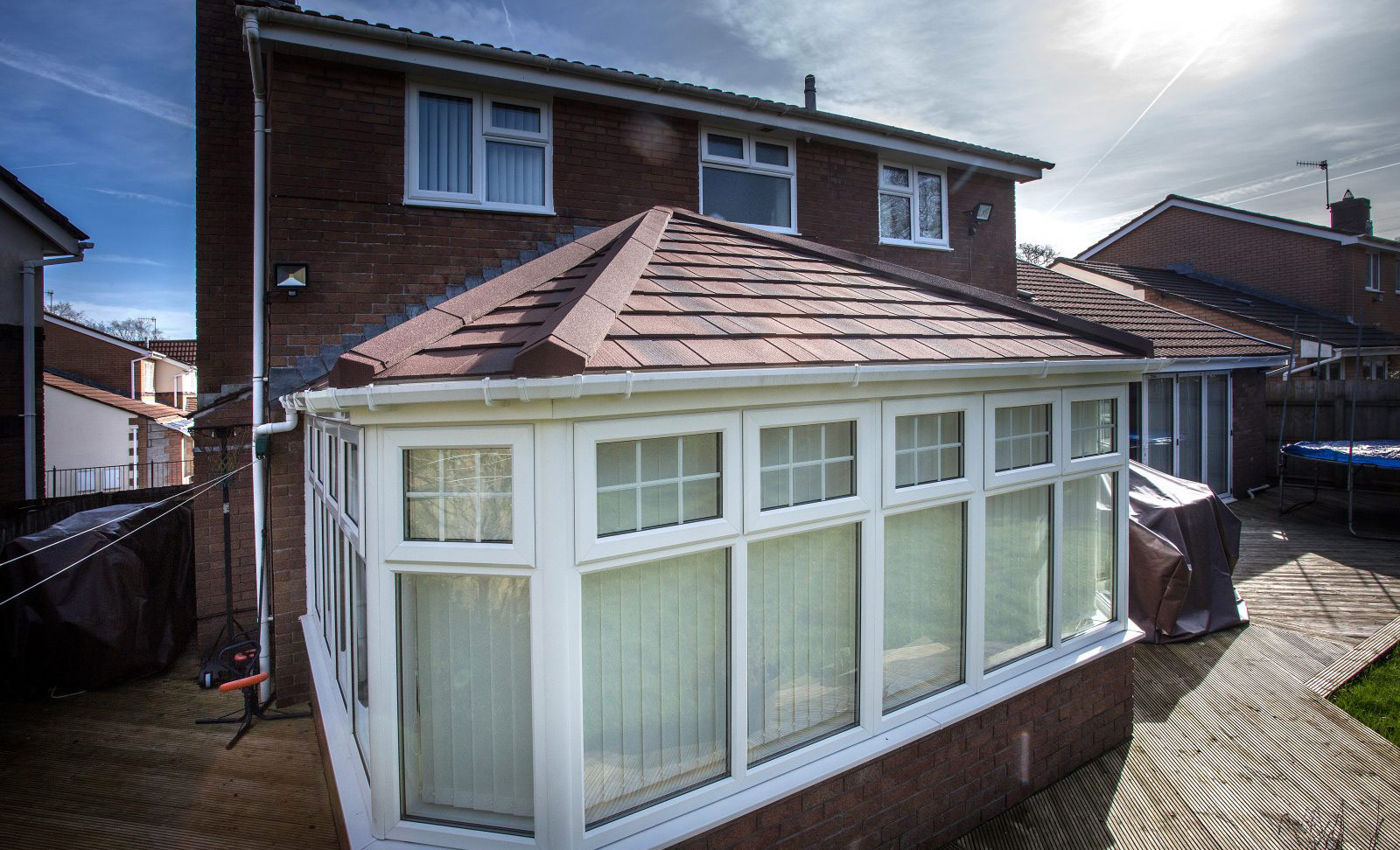
 

The Three Top Benefits of a Solid Roof Conservatory

Conservatories are fantastic at adding living space and natural light to your home, but excessive heat in summer, rapid heat loss in winter, and glare from the sun can sour your experience, making you want to rip it down.

These problems are prevalent with polycarbonate and uninsulated glass roofing systems, which do nothing to insulate or block out the sun.

The simple solution is to specify a solid roof conservatory during the design stage or get one retrofitted if you have an existing structure.

Solid conservatory roofs are multi-layered systems comprising a glass-reinforced plastic frame, insulation, air gaps, and tiles. The result is a roof with zero solar gain, keeping heat out in the summer and heat inside in the winter.

Here are the top three reasons to get a solid roof conservatory:

  1. Increased energy efficiency

A solid-tiled conservatory roof has a significantly lower U-value than a traditional polycarbonate conservatory roof. In fact, a solid roof is significantly more thermally efficient than the leading solar control glass on the market.

For example, the Leka Roof has a U-value of 0.15 W/m²K, while industry-leading solar glass has a U-value between 0.50 W/m²K and 1.0 W/m²K.

An alternative with a lower budget are insulatedconservatory roof panels

Greater energy efficiency means that your conservatory will be cooler in the summer and warmer in the winter. This increased energy efficiency will also lower your energy bills as you won’t need to heat or cool your conservatory as often.

  1. Pleasing aesthetics

One of the complaints we hear about conservatories is how the roof looks unappealing from the inside because of the internal framework.

A solid tiled roof does away with this issue entirely because the inside is plasterboard, the same as the rest of your house.

You can also specify tiles in various colours, letting you match the roof to the style of your existing home and change the pitch, letting you transform the shape of your conservatory to match your house or street better.

The net result of all this is your conservatory being transformed into a space that mimics the look and feel of a traditional extension.

  1. A quieter, more pleasant space

Much is made of the thermal performance of solid conservatory roofs, but equally beneficial is the fact they are quieter and less bright inside.

Solid roofs are quieter than glazed roofs, blocking out low and high-frequency noises, and they also eliminate glare from the sun, making it easier to read, work, and spend time in your conservatory when the sun is shining.

If your conservatory is roadside or your house backs onto noisy neighbours, a solid roof is a fantastic investment to reduce noise levels.

If your conservatory is south or west-facing, a solid roof will slash solar gain and glare, giving you a usable space that isn’t too hot or bright.

Summing up

Solid conservatory roofs can transform your space with better-quality materials, insulation, and looks than traditional glass or polycarbonate roofs.

The result? An energy-efficient conservatory that is stylish, comfortable, quiet throughout the year, and more enjoyable to spend time in.

Top ways to have the warmest conservatory in winter

A conservatory is a beautiful addition to any home, offering extra space and a bright and airy atmosphere. However, in the winter months, it can be challenging to keep the conservatory warm and comfortable. Here are some top ways to ensure that your conservatory is the warmest it can be during the winter.

• Install double or triple-glazed windows: If your conservatory has single-glazed windows, it is time to upgrade to double or triple glazed ones. This will help to reduce heat loss and increase insulation, keeping the room warmer for longer.

• Use thermal curtains or blinds: Another way to keep the heat inside the conservatory is to use thermal curtains or blinds. These work by trapping the warm air inside the room, preventing it from escaping through the windows.

• Invest in underfloor heating: Underfloor heating is an excellent way to keep your feet warm and heat the room evenly. This type of heating system is particularly effective in a conservatory, as it can be installed underneath the flooring.

• Add a layer of insulation to the roof and walls: One of the most effective ways to keep a conservatory warm is to add a layer of insulation to the roof and walls. This will prevent heat from escaping, keeping the room cosy and comfortable.

• Consider installing a conservatory heater or radiator: A conservatory heater or radiator can provide extra warmth on particularly chilly days. There are many different types of heaters and radiators available, so it is important to choose one that is suitable for your conservatory.

• Use draft excluders: Draft excluders are an inexpensive and effective way to prevent cold air from entering the conservatory. They can be placed around windows and doors, preventing any gaps that may allow cold air to enter.

• Decorate the conservatory with warm, cosy furnishings: To create a warm and inviting atmosphere, decorate the conservatory with warm, cozy furnishings like rugs, cushions, and throws. These will not only make the room more comfortable but will also add to the overall aesthetic of the room.

• Install a temperature controller: A temperature controller can be used to regulate the temperature in the conservatory, preventing overheating and ensuring that the room remains at a comfortable temperature.

• Keep the conservatory well-ventilated: While it may seem counterintuitive, it is essential to keep the conservatory well-ventilated in the winter. This will help to prevent condensation and dampness, which can lead to mould growth and damage to the conservatory.

• Use natural sunlight to your advantage: During the winter months, the sun’s rays may be weaker, but they can still provide some warmth. Keep curtains and blinds open during the day to allow natural sunlight to enter the room, providing a source of free heat.

In addition to the above tips, one option to consider is installing Panel X conservatory roof panels or a Leka lightweight conservatory roof . A Leka roof is an innovative roofing system that provides excellent insulation, keeping the conservatory warm and comfortable all year round. Here are some of the benefits of a Leka roof:

• Superior insulation: The Leka roof is made from advanced materials that provide exceptional insulation. This means that heat is kept inside the conservatory and cold air is prevented from entering, making the room much warmer.

• Energy-efficient: A Leka roof is highly energy-efficient, helping to reduce energy bills and carbon emissions.

• Lightweight: The Leka roof is lightweight, which means that it can be installed quickly and easily, without the need for any additional structural support.

• Easy to maintain: A Leka roof is virtually maintenance-free, requiring only occasional cleaning to keep it looking its best.

In conclusion, there are many ways to keep your conservatory warm during the winter months. By following the tips above, you can create a comfortable and inviting space that

Leka Roof – Review

As someone who has researched the benefits of Leka Systems lightweight conservatory roofs firsthand, I cannot recommend this product highly enough. These roofs are simply fantastic and have completely transformed my conservatory into a comfortable, energy-efficient living space.

One of the things that impressed me most about Leka Systems roofs is just how lightweight they are. Unlike traditional conservatory roofs that can be heavy and difficult to install, Leka Systems roofs are incredibly easy to work with. They are made from a composite material that is strong, durable, and lightweight, making installation quick and hassle-free.

But the benefits of Leka Systems conservatory roofs don’t end there. These roofs are also incredibly energy-efficient, which means that they can help to keep your home warm in the winter and cool in the summer. This is achieved through a combination of high-quality insulation and a thermally efficient design that minimizes heat loss.

In addition to their energy efficiency, Leka Systems roofs are also very low maintenance and similar to Panel X conservatory roof panels. Unlike traditional roofs that can require regular upkeep and repairs, Leka Systems roofs are designed to be virtually maintenance-free. This means that you can spend more time enjoying your conservatory and less time worrying about upkeep and maintenance.

Overall, I would highly recommend Leka Systems’ lightweight conservatory roofs to anyone who is looking to transform their conservatory into a comfortable, energy-efficient living space. With their lightweight design, energy efficiency, and low maintenance requirements, these roofs are truly the perfect choice for anyone looking to enhance their home.


Lyndon Ogden

The advantages of a tiled conservatory roof

A tiled conservatory roof is much better at retaining heat than its glass or polycarbonate counterparts. This results in lower energy bills as there is no need for extensive heating and cooling.

Solid conservatories also offer more privacy as people outside cannot see in as quickly. This is especially useful if you live near a main road or in a built-up area.

Perhaps most importantly, solid roof materials come in various finishes and colours, allowing you to customise your conservatory to match the rest of your home.

This article looks at the most significant advantages of a tiled conservatory roof, with advice on choosing the right roof for your building.

Let’s jump in!

What is a tiled conservatory roof?

A tiled conservatory roof replaces your traditional glass or polycarbonate conservatory roof with a glass-reinforced plastic system with interlocking tiles to create a strong and waterproof roof structure.

The material and design of the tiles allow you to customise your conservatory with a range of colours and sizes. The tiles are usually made from engineered slate, like those used on regular roofs, and are highly durable and weatherproof.

What are the advantages of a tiled conservatory roof?

  • Improved Insulation: A tiled conservatory roof looks fantastic and dramatically improves insulation, keeping your conservatory warm in winter and cool in summer.
  • Lightweight Design: A tiled conservatory roof is much lighter than a traditional glass or polycarbonate roof, so it is easier to install and much less disruptive during replacements or renovations.
  • Adaptability: A tiled conservatory roof can be completely customised with different materials, colours, and sizes of tiles, allowing for beautiful extensions that perfectly fit your design.
  • Long lifespan: If installed correctly and looked after, a tiled conservatory roof can last for around 40 years, saving you from costly repairs and replacements.
  • Weatherproof: Solid roofs are robust, with no glazing joints that can leak or materials that can go bad over time.
  • Lower energy costs: The improved insulation provided by a tiled conservatory roof means you can save money on your energy bills by reducing the heat you need to pump into your conservatory to make it comfortable.

Why are conservatories inefficient?

Conservatories are often inefficient because the standard glass or polycarbonate design offers poor insulation properties. This often leads to rooms that are too hot in summer and too cold in winter.

Conservatories can also be inefficient if they are in a particularly exposed area or not designed to be energy efficient.

Poorly sealed windows, doors and other building elements can also lead to significant energy loss, making your conservatory uncomfortable.

How to make your conservatory more efficient

Here are the best ways to make a conservatory more efficient:

  • Improve insulation: The most effective way to make your conservatory more efficient is to install an insulated tiled roof. This will keep your conservatory warmer in winter and cooler in summer, saving you money on heating and cooling bills.
  • Light and shading: Install window coverings such as curtains, shutters, or blinds to reduce glare and overheating during warmer weather. You can also fit secondary glazing to create an extra layer of insulation.
  • Insulate walls: As well as improving the roof, you should consider insulating your walls with cavity wall insulation, insulating boards, and/or loft insulation to keep the heat in.
  • Replace glazing: If your conservatory has old or inefficient glazing, you should consider replacing it with energy-efficient double or triple glazing.

Does a solid conservatory roof add value?

Yes, a solid conservatory roof can add value to your property. This is because it looks more aesthetically pleasing, reduces noise from outside, is easier to maintain and has improved insulation properties, making it a more pleasant space.

A solid roof is particularly beneficial if you plan to sell the property in the future, as potential buyers may be more likely to invest in a house with a tiled conservatory.

Top tips for choosing the best roof for your conservatory

  • Insulation: Ensure the new roof has good insulation properties to keep the conservatory comfortable all year round.
  • Weight: Consider the weight of the new roof and make sure that the structure can support it.
  • Design: Consider your personal design preferences and choose materials, colours, and sizes of tiles to match.
  • Cost: It is essential to consider your budget and find the best value for money. A solid roof costs £6,000 to £12,000, depending on the size and specification and optional extras like roof lanterns.
  • Security: Ensure the roof is secure against extreme wind and storms.
  • Ventilation: Ensure the roof has adequate ventilation to prevent dampness and condensation build-up.

Find out more

K Glazing designs and installs solid conservatory roofs throughout Yorkshire. Call us now on 01977 700 025 for a chat and free advice about your conservatory.


The benefits of choosing a local double glazing company

When you’re looking for double glazing, choosing a reliable firm based in your local area makes sense. Here are a few of the reasons why.

  1. Personalised service

The big national double glazing companies don’t have the time to provide a personalised service to every customer.

When you choose a local firm, they’ll spend time consulting with you before any work begins. They’ll work with you to find the best solutions for your windows, doors or conservatory. This gives you much greater control over the outcome.

  1. Shorter wait time

National firms take on a vast number of jobs all over the country simultaneously, so your job might not be a priority for them.

Additionally, if they don’t have a team based in your local area, they’ll have to organise a date when it’s convenient for them to get to you, potentially weeks or even months down the line. You’ll have to wait longer for your new windows or doors. This isn’t ideal for you if your windows or doors are leaking and it’s heading into winter.

A company based in your local area will be able to prioritise your job and get it done much quicker. They’ll have a local team who can get to you quickly in an emergency, so you won’t have to wait. This solves any problems before they can get worse.

  1. Lower cost

A large national business will have much more significant overheads than a local firm. They have multiple premises all over the UK, and large numbers of staff to pay, and they pass many of these costs on to the customer.

Local firms have smaller teams and usually, only have one office. This means their outgoings are lower, so they can afford to offer you a lower price.

  1. Higher quality of work

Local firms can pay greater attention to every detail. They rely on good recommendations from customers in your area, so they can’t afford any shoddy workmanship. They’ll take more pride in their work and pay attention to every detail.

The big national companies often have a limited selection of products for you to choose from, which might mean a lot of compromise on your part.

A local company, by comparison, will work with trusted suppliers who can provide you with exactly what you want. This means a local double glazing company is the right choice if you want your home to look exactly how you want.


Tiled Conservatory Roof: What are the Benefits?

The UK has a long and storied history with conservatories, one which dates back to the 17th century when orangeries arrived in the UK from Europe, where they’d entered fashion among the gentry as a way to grow exotic fruits and vegetables in harsh climates.

By the time they arrived here, these largely brick-based buildings were exclusively for the wealthy, appearing everywhere from Buckingham Palace to the Oxford Botanic Garden, where it’s said the first conservatory was built in the UK.

Over the centuries, conservatories became something that many homeowners could afford, and, as land prices rose and housing plots grew smaller, they became a desirable way to expand the footprint of our homes.

Today, approximately 18% of households in England have conservatories. That’s over 4.3 million homes in the UK with conservatories. But, as anyone with a conservatory will tell you, they’re not without their issues.

Although they excel at creating additional leisure space within a home, they are difficult to keep at a constant temperature and, therefore, only usable at certain points throughout a year.

It’s a problem that stems from the design of modern conservatories, which are thermally inefficient and constructed from materials which create a greenhouse effect when the sun shines.

That’s why, increasingly, people are turning towards tiled conservatory roof systems. Cleverly designed to replace the glass or plastic roof of your existing conservatory with an insulated roof system, complete with lightweight tiles, they completely transform your conservatory.

But what are the benefits of such a system? Let’s take a look.

Year-Round Usability

Around 77% of conservatories have some sort of heating system that’s active throughout most of the year to keep them at a comfortable temperature, according to the Department of Energy.

Not only does that use a huge amount of energy, ramping up bills, but it also means conservatories are rarely usable, as they require significant heating to be comfortable.

Similarly, when the summer months hit, conservatories often become uncomfortably warm.

By installing a tiled conservatory roof, you dramatically increase the thermal efficiency of your conservatory. No longer too cold in winter and too warm in summer, conservatories with tiled roofs are able to keep a comfortable temperature throughout the year. While you do lose a small amount of light, you gain a huge amount of usability.

Improved Aesthetics

Conservatories can often stick out of a home like a sore thumb, barely reflecting the home they’re attached to. It’s part of the reason why conservatories can be divisive to buyers, with many potential purchasers put off by poorly thought-out conservatories.

Tiled roofing systems for conservatories are carefully designed to match your home and custom-built to fit virtually any style and size of conservatory.

Simply select a tile that matches that of your home and you’ll find that your conservatory blends seamlessly into your property, transforming it into a beautiful extension rather than a tacked-on afterthought.

Added Value

The improved usability and aesthetics that a solid tile roof adds to a conservatory can really add value to a property. Think of it this way: who wouldn’t want a beautiful, well-lit room that they can use at any time of the year?

That’s why, when it comes to selling your home, you’ll find buyers can’t get enough of your tiled conservatory roof.


A Brief History of Orangeries

The orangery originates from the 17th century Renaissance period of Italy. Early in this century, there were breakthroughs in glassmaking technology, allowing large panes to be produced with great repetition.

The first orangeries were never meant for human habitation; they were used to shelter woody plants mainly. It was common for them to shelter citrus plants in the summer and evergreens in the winter.

Because of their inherent cost to build, orangeries in Renaissance Italy were a wealth symbol – a luxurious extension of a stone-built home. But they also served the practical purpose of replacing the fruit wall (a fruit wall is a high wall that borders a garden, often on all sides, to form a walled garden).

In the late 17th and early 18th century, the Dutch were making significant advancements in the manufacture of glazing too. They were able to develop expanses of window glazing and significantly reduce the cost of production.

The popularity of orangeries spread across southern and northern Europe during the late 17th and early 18th century. People loved orangeries for their ability to shelter plants and give a stone-built home a futuristic, glazed extension. Russia also adopted them, and in fact, one of our favourite ever orangeries is the orangery at Kuskovo.

Solid and glazed roofs

The orangery as we know it today can have either a solid roof with a lantern or a glazed roof. But early in the 17th century, all orangeries had a solid roof. This would be beamed or vaulted, depending on who designed it.

The development of the glazed orangery roof came in the early 19th century. A good example of an early application is the orangery at Dyrham Park. When it was built in 1702, it had a slate roof. 100 years later, it gained a glazed roof.

The aforementioned orangery at Kuskovo, Russia, has a solid roof. It was built between 1761-1764. However, unlike the European use of sheltering plants, this orangery served the guests of Kuskovo as a large, prestigious banquet hall.

The Orangeries of today

The orangeries of today are nowhere near as ornamental or as intricate as the orangeries of yesteryear. However, they are far more efficient and modern.

Advancements in double glazing mean an orangery can now be true of an extension of one’s home, with central heating and an open extension into a kitchen. Some orangeries also have triple glazing, especially in colder Nordic countries.

There are also a wider variety of roofs available. Customers can have a solid, glazed or hybrid roof. The most popular roof type is a glazed lantern, which provides the airiness of a glazed roof with the warmth of a solid roof.

Regardless of the time period in question, however, orangeries have always been a luxurious home improvement project. Prices today range from £10,000 for a simple orangery with a partially glazed roof to over £20,000. The cheapest orangeries tend to have a timber frame; the most expensive has an aluminium frame.


The grim reality of future UK energy prices 

Energy prices are going through the roof, and no relief is in sight, with record numbers of households choosing between heating and eating.

In April 2022, Ofgem increased the energy price cap by 54%, taking the unit rate to 28.34p per kWh and the standing charge to 45.34p per day (before this, it was 20.8p per kWh with a standing charge of 24.88p per day).

Those paying £1,255 per year now pay £1,971 per year, a staggering increase that has pushed two out of five households with children into fuel poverty.

Combined with rising fuel costs, food prices, and rent, not to mention interest rates, people have less money in their pockets. Things are so bad that Britain is heading for the worst fall in living standards since the 1950s.

And worse is still yet to come, with the energy price cap expected to increase by another 32% in October. It means energy bills will increase by 86% in less than a year, pushing record households into absolute poverty.

Make no mistake, this is a cost of living crisis.

What you can do about it

Energy price increases are inevitable, and you can do nothing about them. But there are ways to reduce your energy consumption.

Cavity wall and loft insulation 

Cavity wall and loft insulation cost up to £800 for a 3-bed detached house. It is worth doing if you can put the cash together for it.

If you claim certain benefits, you can also apply for the ECO scheme, which places obligations on energy suppliers to make customer households more efficient. You can get insulation for free under the scheme if you are eligible.

The ECO scheme focuses on cavity wall insulation and loft insulation, improvements that can increase the thermal efficiency of homes several times over.

Triple glazing

We won’t claim that households in poverty can afford triple glazing, but it is worth doing from a financial perspective if you can.

Triple glazing will pay you back within a decade, providing you use your boiler less (which should happen with a warmer home). Triple glazing is 40-60% better than A-rated double glazing at retaining heat, and it is futureproofed.

You will pay around 50% more for triple glazing than double glazing, but it could be the difference between switching the central heating on or not. If it saves you £500 per year on heating and lasts twenty years, it will be a net positive.

Lower your thermostat 

Turning down your thermostat to 18°C will shave hundreds off your annual energy bill, while 19°C saves an average of £128 over the year.

The lower your thermostat, the better, but you don’t want to be cold – if you do set it to 18°C, wear a jumper during the day.

Get a smart thermostat 

Nest thermostats save people 10% to 12% on heating, which is consistent across other smart thermostat brands like Hive.

Smart thermostats save you money by giving you control over individual rooms, water temperature, and more. They also learn your routine, so they set temperatures and schedules based on how you live over time.

Thermal curtains and blinds

If you can’t afford triple or A-rated double glazing, thermal curtains and insulated blinds are the next-best things. They can retain heat inside a room and keep it warm for longer, with a wide range of colours and styles available to boot.

If you can’t find thermal curtains you like, get curtains with a thick fabric or blackout curtains with a layer of plastic. You can pick up cheap curtains second hand on Gumtree or new on Amazon, eBay and Argos.


The advantages of French doors

French doors are a worthwhile upgrade over single doors and windows because they improve access, provide better views, and flood rooms with light.

French doors transform the feel of interior spaces and deliver the perfect entry to gardens and patios. Other than making the hole big enough, little structural work is needed, and you don’t need planning permission to install them.

If you are considering French doors for your home, here are the advantages:

Transform interior spaces

It’s no exaggeration to say that patio doors transform interior spaces by letting in loads of light and delivering perfect views. French doors are far more desirable and stylish than single doors and window blocks.

Enhanced access

French doors open individually or together, giving you ultimate modularity. They enhance access versus single doors and open up your home. French doors are ideal if you want to make your home easier to access.

Panoramic views

You can get French doors with thin columns and frames, giving you panoramic views of your garden. If your property has a beautiful garden or lovely views, French doors are a great way to make the most of what you have.

Enhanced security

The latest French doors are fitted with toughened safety glass and anti-snap locks that do not allow burglars to break them with force. Additionally, new units resist lifting and can be kicked without giving way (although the glass can still smash).

Insulation

Modern French patio doors are as efficient as the best double glazing, which means A++ energy ratings that retain heat and lower your energy bills. You can also get triple glazed French doors, although these are more expensive.

Longevity

French doors are designed to last, so most have a five or ten-year guarantee. The only parts that could fail from wear are the handles and hinges, which are easily replaced. If the glass is smashed, this can also be replaced.

Multiple finishes

If you don’t like white UPVC, you can get grey UPVC French doors or composite French doors that mimic the look and feel of wood. The most expensive and desirable option is real hardwood, with oak the most popular hardwood.

No planning permission

French doors do not need planning permission, so feel free to replace your single door or windows with them. However, keep in mind structural changes may be required to the wall (we can advise on this if you are unsure).

Cheaper than you think

You can expect to pay around £1,500 ex. VAT to convert an existing window into French doors. This includes the hardware, labour and recycling of old materials. You can expect to pay around £2,300 ex. VAT for a new opening.

Get a free quote for French doors!

K Glazing supplies and fits French doors as feature doors and as replacements for existing doors and windows. Backed by our incredible ten-year guarantee, our quality products speak for themselves. Call 01977 700025 for a free quote.