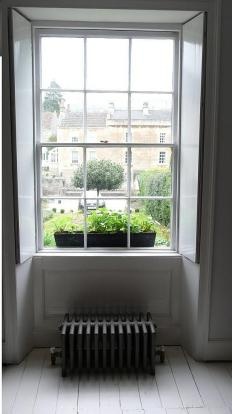
Why aluminium is an excellent choice for sash windows

For today’s homeowners seeking new sash windows, aluminium is increasingly the material of choice over wood. Choosing aluminium means enjoying the perks of modern design—expansive views and abundant light transmission afforded by the narrower construction.

Unmatched durability

Aluminium’s imperviousness to warping, rust and other corroding damage makes it the perfect material for sash windows equipped to weather decades of elemental exposure in pristine condition. The frames resist wear while retaining their attractive appearance and fully functional performance over extended periods.

Homeowners can count on exceptional longevity and reliable operation year after year with little required upkeep. Once in place, aluminium sashes become staple home fixtures that smoothly operate while resisting exterior environmental stressors.

Enhanced energy efficiency

Aluminium sash windows have integrated thermal breaks that substantially decrease heat transfer indoors and outdoors.

Double or triple-glazing aluminium sashes provide superior insulation capabilities for those seeking even more significant energy savings. The advanced thermal properties of contemporary aluminium window frames make them an energy-efficient upgrade for homes aiming to mitigate unnecessary heat loss.

Slim and sleek frames

Homeowners seeking slim sightlines, added light and clearer views turn to aluminium sash windows. Aluminium window frames are slimmer than those made from uPVC and timber, providing a more expansive glass area to allow natural light inside.

The narrowly constructed aluminium frames also give the windows a refined, contemporary aesthetic that suits traditional and modern house styles.

Improved safety and security

With sturdy aluminium frames intrinsically resistant to forced entry, homeowners can rely on aluminium sash windows to deter burglars. Aluminium’s inherent strength enhances security, especially when leveraged through reinforced locking mechanisms and laminated glazing. Compared to timber and uPVC counterparts, aluminium sashes better withstand brute intrusive efforts, from picking locks to breaking glass.

Robust yet refined in appearance, aluminium framing lends sash windows a dependable first line of defence while blending seamlessly into any home’s look.

Environmentally sustainable

Aluminium sash windows comprise nearly 100% recycled aluminium, and the durable frames have an inherently green manufacturing process.

Additionally, after providing decades of performance, aluminium window frames can be fully recycled at the end of their lengthy lifespans rather than in landfills.

Beyond material integrity, aluminium sashes enable lowered energy consumption in homes thanks to superlative insulating abilities – these sashes feel warmer than UPVC and wooden ones up close, reducing cold spots for a more comfortable space.
How Does a Sash Window Work? 

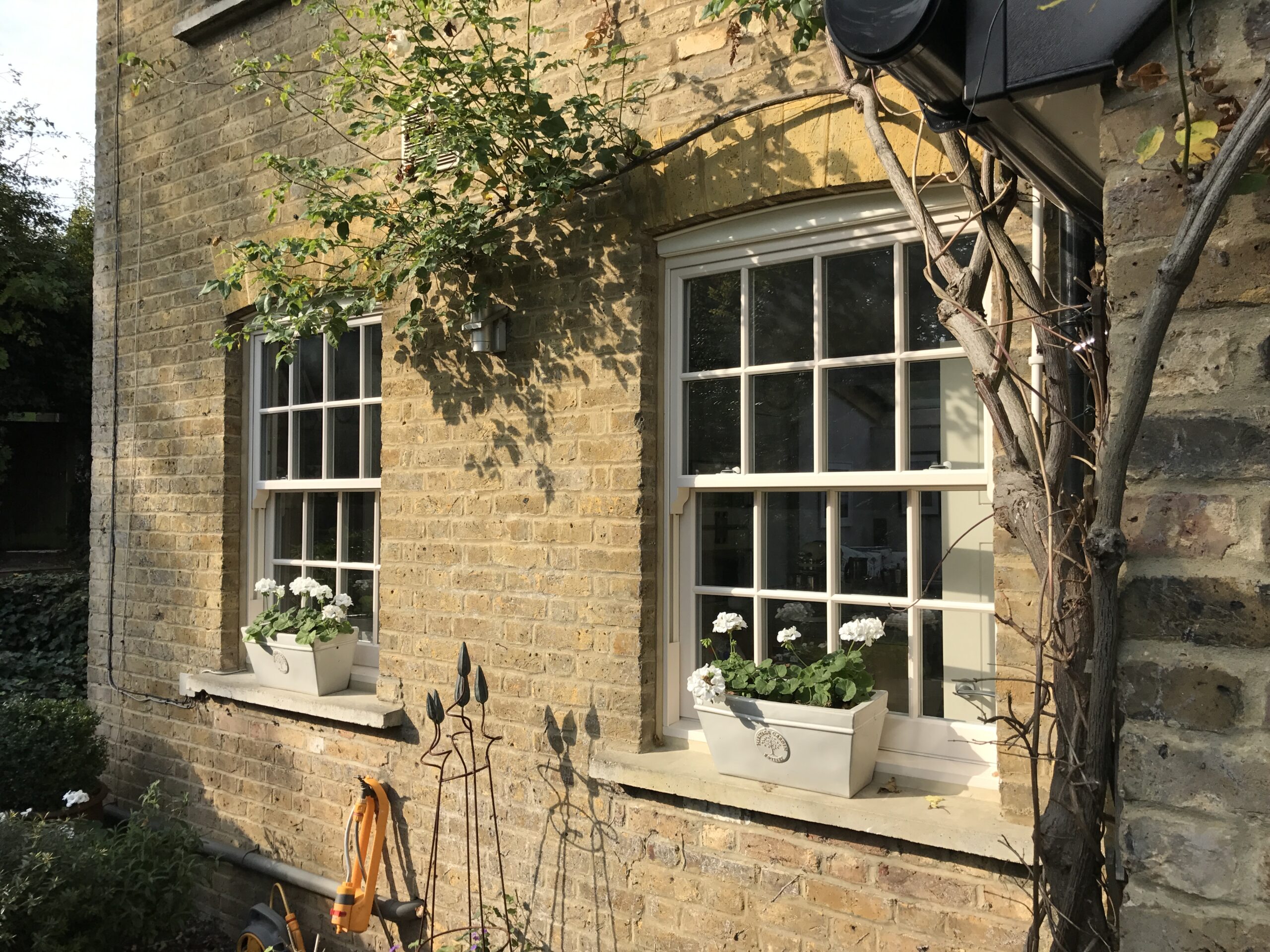
Sash windows slide up and down vertically in the frame thanks to a handy pulley system inside. You push up the bottom sash while pulling down the top sash to get nice and airy, unlike your standard double-hung windows that tilt. The sashes glide on tracks with counterweights and ropes doing the work, so you don’t need to struggle.

Components of a Sash Window

·         Weights – Lead or cast-iron weights counterbalance the sashes and are connected to them via a cord and pulley system. The weights slide up and down in narrow channels in the window frame.

·         Sash cord – Sturdy rope that connects the sliding sash to the counterweight. The cord runs over a pulley at the top of the frame.

·         Meeting rails – Horizontal sash parts that meet when the window is closed. The rails interlock to seal out drafts.

·         Pulleys – Wheels are mounted at the top of the window to guide the sash cord.

·         Parting beads – Narrow wooden strips that cover the gap between the sashes, keeping the upper sash in place.

The Pulley System

The secret to how sash windows slide up and down so quickly is the pulley system inside the window frame. Weights and cords are attached to each half of the window (the “sashes”). When you lift the bottom sash, its weight slides down inside the frame, balancing out the weight so you can move the window smoothly.

And when you lower the top sash, its weight goes up to counter it too – so, weights on cords take the strain, not you. The sashes can stop at any point and stay put.

Advancements in Sash Windows

While traditional sash windows had lead weights, modern versions often substitute steel, nylon, or concealed spring balances. Spring balances with spiral drums offer smoother operation than old-fashioned sash windows.

The pulley-and-cord system has proven reliable for lifetimes, but newer sash windows may incorporate advanced weatherstripping and double glazing for increased efficiency. However, the basic operational principles remain unchanged.

The Benefits of Sash Windows

Sash windows are still around after all these years and with good reason. They let in generous sunlight with their slim vertical design providing nice wide openings. Operating sash windows is also a breeze – gently push up the bottom sash or pull down the top to open it. It’s way simpler than windows that only tilt. The smoothly gliding panes allow you to customise the airflow circulating through. Simply adjust to your desired ventilation level.

Here’s where sash windows shine: the cleverly hidden pulley mechanism inside the frame. It bears the weight of the panes, so you are kept from heaving them open. Thanks to this ingenious system, anyone can lift these tall windows with barely a touch.


Preserving History: Sash Windows and the Charm of Period Homes

Is there anything more charming than sash windows in period homes? These hallmarks of classic design are often seen in buildings from the Georgian, Victorian, and Edwardian eras, giving us a glimpse into our beautiful past.

Sashes hold great significance in historical architecture and play a vital role in restoring and preserving period homes dating back to the 17th century. The fact they look lovely is the icing on the cake.

This article looks at the historical significance of sash windows and the importance of maintaining architectural integrity in period homes.

Architectural integrity

Maintaining the architectural elements, materials, and qualities of period buildings is a passion we take seriously.

Period buildings often hold historical significance, representing a tangible connection to the past. Sash windows are an essential element of this historical narrative.

Sash windows are critical to many period homes’ overall aesthetic and architectural style. They showcase the craftsmanship and attention to detail that defined the era in which these buildings were constructed.

Sashes bring balanced proportions and symmetrical design to the table. Their vertical sliding mechanisms, divided panes, and glazing bars create a sleek aesthetic that contributes to the overall architectural composition of a building.

Preserving and restoring sash windows helps to maintain the authenticity and historical value of these properties, ensuring that their unique architectural features, no matter their size, pass on to future generations.

Preserving original style

The cornerstone of Listed Building Consent is preservation, with the rule that one cannot alter the original character of a listed building without permission set to protect essential buildings from renovation vandalism.

Sashes have a timeless elegance and add a touch of grace to period homes. They feature multiple panes of glass divided by wooden glazing bars, creating a distinctive and aesthetically pleasing look. The proportions, detailing, and craftsmanship of sash windows often complement the overall architectural style of the building, enhancing its visual appeal.

Sash windows also showcase the craftsmanship and attention to detail that characterised the period in which they were constructed. The intricate joinery, delicate glazing bars, and well-proportioned design elements are a testament to skill.

You cannot replicate this with modern windows. Any replacement would not look as good as the original sashes, except for reproductions.

When faced with renovating sash windows, we first look at what original materials we can preserve, or in the absence of working sashes, we use historical records to produce replicas that are accurate to the era.

Local and cultural significance

We must also consider the cultural and historical significance of the period home, such as its role in the local community.

Some buildings might once have been dairies, grocers, cobblers, pubs, or communes for miners. Imagine all the people who gazed in and out of those sash windows. Wouldn’t you agree it is essential to preserve them?

These windows have witnessed the passage of time and have been integral to the lives of the people who lived and worked in these buildings. They hold stories and memories that can connect us to the past and our local community’s history.

Another critical factor is the building’s contribution to the streetscape and how it reflects a neighbourhood or community’s unique identity and character.

Preserving original architectural features, including sash windows, contributes to the overall charm and distinctiveness of the streetscape. It creates a visually appealing, cohesive environment that distinguishes the area from generic modern developments.

Advice on choosing sash windows for restoration

When choosing authentic sash windows for restoration purposes, it is vital to ensure that they align with the architectural style and period of the building. Here are some key considerations to guide you in selecting authentic sash windows:

  • Research and authenticity: Conduct thorough research on the architectural style and period of your building to understand the specific characteristics and features of sash windows from that era. This will help you determine your restoration project’s appropriate style, proportions, and detailing.
  • Salvaged windows: Consider sourcing salvaged sash windows from reputable suppliers specialising in architectural salvage or historic building materials. Salvaged windows offer an authentic and sustainable option for restoration, as they are often original windows from buildings of the same era. However, beware that it is sometimes impossible to find sash windows that are a perfect fit.
  • Matching design and materials: Look for sash windows that closely match the design, materials, and construction techniques used during the period of your building. Pay close attention to the number of panes, glazing bars, and profiles.
  • Sourcing reproductions: Reproduction windows can also be a suitable option if they are manufactured to replicate the original design. Ensure the sash windows are crafted with high-quality materials and workmanship by choosing a reputable vendor. Look for windows made from sustainable wood and ask for examples of work before committing.

Preserving the Beauty of Victorian Sash Windows

Victorian sash windows are a timeless architectural gem, exuding both elegance and charm. If you’re fortunate enough to live in a property adorned with these beautiful features, you might wonder how to preserve their authenticity while incorporating modern advancements. This comprehensive guide will explore the history, design, and materials of Victorian sash windows, as well as modern solutions for preserving their beauty and improving their energy efficiency.

K Glazing is committed to excellence as can be seen with their own range of sliding and flush sash windows. 

Victorian sash windows are a timeless architectural gem, exuding both elegance and charm. If you’re fortunate enough to live in a property adorned with these beautiful features, you might wonder how to preserve their authenticity while incorporating modern advancements. This comprehensive guide will explore the history, design, and materials of Victorian sash windows, as well as modern solutions for preserving their beauty and improving their energy efficiency.

Short Summary

  • Victorian sash windows offer timeless charm and style, with modern solutions allowing for their preservation.
  • Advances in glass technology have enabled larger panes of glass to be used while reducing the need for glazing bars.
  • Homeowners can customise Victorian sash windows by selecting colours, hardware options and heritage features such as run-through sash horns to maintain their original aesthetic whilst benefiting from improved performance.

The Elegance of Victorian Sash Windows

Victorian sash windows, also known as Victorian windows, are renowned for their elegance and timeless charm, offering a harmonious blend of style and function. These windows were a popular choice during the Victorian era, playing a significant role in traditional architecture and aesthetics.

Advancements in glass technology during the Georgian era transitioned into the Victorian era, allowing for a larger glased area and giving rise to the iconic two-over-two-grid design. This design enabled a decrease in glazing bars, further enhancing the aesthetics of the windows.

Today, modern solutions such as energy-efficient double glazing, restoration, and repair enable homeowners to preserve the beauty of their Victorian sash windows while improving their performance.

Two Over Two Grid Design

The two over two grid design is characterised by:

  • Two window panes situated over two window panes
  • Commonly seen in double-hung window frames
  • Made possible by advancements in glass technology, allowing for larger panes and fewer glazing bars in existing windows, such as Victorian sash windows.

The benefits of the two over two grid design are numerous. For listed buildings with Victorian sash windows, it is important to preserve the original aesthetic while incorporating modern solutions such as double glazing to improve energy efficiency.

Run-Through Sash Horns

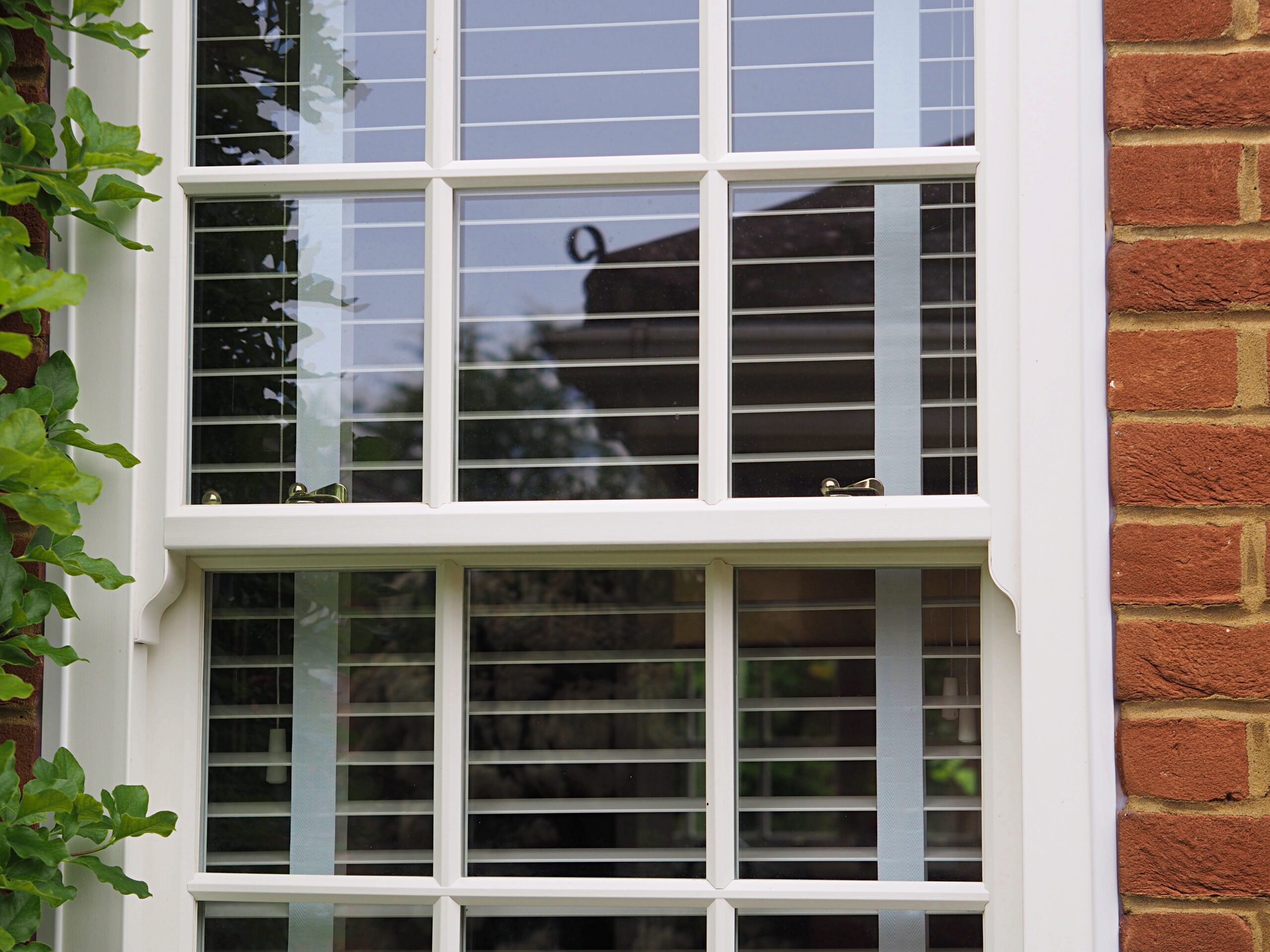
Run-through sash horns are decorative features that extend downwards from the bottom of the upper sash in a window frame, reinforcing the mortice and tenon joints of the window. These distinctive features not only strengthen the window’s framework but also provide an authentic aesthetic, maintaining the charm and elegance of Victorian sash windows.

The run-through sash horn is a classic feature of Victorian sash windows, and its horn is a classic feature.

Evolution of Glass Technology and Its Impact on Victorian Sash Windows

Glass technology advancements during the Victorian era played a crucial role in shaping the design of sash windows. The invention of the float glass production technique enabled larger glass panes and a decrease in glazing bars, leading to the development of the iconic Victorian sash window design.

This progression in glass technology not only influenced the aesthetics of Victorian sash windows but also impacted their functionality. Larger glass panes allowed for more natural light to enter homes, creating a more open and spacious atmosphere.

Larger Glass Panes

The float glass manufacturing process revolutionised the production of glass panes, enabling the creation of larger sheets for Victorian sash windows. Utilising larger glass panes allowed for an increased influx of natural light into rooms, reducing the necessity for multiple glazing bars and providing a more aesthetically pleasing appearance.

This innovation in glass production had a significant impact on the design of Victorian sash windows, as the need for multiple glazing bars was eliminated, allowing for a cleaner and more open look.

Reduction of Glazing Bars

The decrease in glazing bars in Victorian sash windows was a direct result of advancements in glass production, which enabled larger panes of glass to be manufactured. This reduction allowed more light to penetrate homes, creating a more open and airy atmosphere. Further enhancing the appeal of Victorian sash windows, this increased light created a more inviting and comfortable atmosphere.

Victorian Architecture and Sash Windows

Victorian architecture is characterised by stunning designs and impressive innovations, with sash windows playing a significant role in the overall aesthetic. Windows were essential in Victorian architecture. These windows were the most popular design of that era, with casement windows also being widely used.

Advancements in glass technology during the Victorian era enabled the incorporation of various window styles, such as bay windows, in Victorian homes. These innovations not only impacted the design of sash windows but also contributed to the overall beauty and charm of Victorian architecture.

Bay Windows in Victorian Homes

Bay windows were a popular feature in Victorian homes, extending outward from the walls of a residence and symbolising wealth and affluence. These windows allowed for an increased amount of natural light to enter the interior, further enhancing the spaciousness and elegance of Victorian homes. In addition to bay windows, ceiling windows also contributed to the bright and airy atmosphere.

The popularity of bay windows in Victorian homes is a testament to the importance of natural light and the desire for a more open and airy atmosphere. Today, bay windows continue to be a sought-after feature in modern homes, showcasing the lasting influence of Victorian architecture.

Casement Windows

Casement windows were also utilised in Victorian homes, providing superior ventilation, unobstructed views, and a tight seal against the window frame when closed. However, sash windows remained the most popular choice due to their balance and timelessness.

Despite their advantages, casement windows may not be as visually appealing as timber sash windows and may not be appropriate for certain heritage buildings. Nevertheless, they remain an excellent option for those seeking an energy-efficient, secure, and visually appealing window design.

Modern Solutions for Preserving Victorian Sash Windows

Contemporary solutions for preserving Victorian sash windows include enhancing energy efficiency through double glazing, as well as restoring and repairing the original windows. These modern advancements allow homeowners to maintain the beauty and charm of their Victorian sash windows while improving their performance and durability.

By incorporating these modern solutions, homeowners can ensure that their Victorian sash windows remain functional and elegant for years to come, preserving a piece of architectural history while enjoying the benefits of cutting-edge technology.

Energy Efficiency and Double Glazing

Double glazing is a type of window insulation that utilises two panes of glass with a space between them in order to decrease heat loss and noise. This technology can greatly improve the energy efficiency of Victorian sash windows while maintaining their traditional appearance.

By incorporating double glazing into your Victorian sash windows, you can significantly reduce heat loss and lower your energy consumption, making your home more environmentally friendly and cost-effective without compromising the charm and authenticity of your windows.

Restoration and Repair

Restoration and repair of original Victorian sash windows can help preserve their beauty and functionality while avoiding costly replacements. Common issues associated with the mechanisms of Victorian sash windows include faulty or broken re-balance box sash window weights, broken cords, and stuck windows.

Addressing these issues through restoration and repair can prolong the lifespan of your Victorian sash windows and maintain their original appearance. By investing in the preservation of your windows, you are not only protecting your home’s architectural history but also ensuring their continued performance and elegance.

Choosing the Right Materials for Your Victorian Sash Windows

Choosing the right materials for your Victorian sash windows is essential for maintaining their authenticity and durability. Materials such as uPVC, aluminium, and timber are commonly employed for Victorian sash windows, each offering its unique features and benefits.

By carefully selecting the appropriate materials for your sash windows, you can ensure that they remain a beautiful and functional feature of your home for years to come, preserving the charm and elegance of Victorian architecture.

uPVC Sash Windows

uPVC sash windows offer the following benefits:

  • They mimic the appearance of wooden frames while offering improved energy efficiency and low maintenance.
  • These windows are composed of coloured or painted plastic.
  • They feature run-through sash horns for an unparalleled degree of authenticity.

uPVC sash windows are an excellent option for those seeking a cost-effective and low-maintenance solution that maintains the traditional look and feel of Victorian sash windows, ensuring their continued charm and elegance.

Aluminium Sash Windows

Aluminium sash windows are a strong and durable option for modern homes, offering a robust and low-maintenance alternative to traditional timber sash windows while preserving the classic appearance and functionality of sash windows. These windows are known for their strength, recyclability, and long service life.

However, aluminium sash windows may not be as visually appealing as timber alternatives and may not be appropriate for certain heritage buildings. Despite their drawbacks, aluminium sash windows remain a viable option for those seeking strength and durability in their window design.

Timber Framed Sash Windows

Timber-framed sash windows offer a range of wood choices, each with its unique features and benefits, providing an authentic look and feel. Options such as:

  • Pine
  • Oak
  • Red Grandis
  • Accoya®

are available for homeowners to choose from, ensuring a perfect match for their property.

By selecting the appropriate timber for your Victorian sash windows, you can maintain their original appearance and charm while ensuring their durability and performance. Timber-framed sash windows remain a popular choice for those seeking to preserve the beauty and authenticity of their Victorian home.

Customising Your Victorian Sash Windows

Customising your Victorian sash windows allows you to create a unique and personalised design that complements your home’s architecture. Options such as a variety of colour choices, hardware options, and heritage features enable homeowners to tailor their windows to suit their individual preferences and requirements.

By carefully selecting the appropriate customisation options, you can ensure that your Victorian sash windows not only maintain their original charm and elegance but also enhance the overall appearance and functionality of your home.

Colour Choices

A variety of color choices are available for Victorian sash windows, allowing homeowners to match their windows to their home’s exterior and interior design. Popular colours include:

  • White
  • Grey
  • Stone
  • Beige
  • Natural wood

These colours can create a range of different aesthetics, from bright and spacious to intimate and traditional.

When selecting the appropriate colour for your Victorian sash windows, it is advisable to consider factors such as the style of your home, the colour of your walls, and the amount of natural light in the room. By choosing the right colour, you can ensure that your windows complement your home’s overall design and create the desired atmosphere.

Hardware Options

A range of hardware options is available for Victorian sash windows, allowing homeowners to enhance the functionality and appearance of their windows. Popular hardware options include:

  • Sash fasteners
  • Handles
  • Frames
  • Pole eyes
  • Tilt knobs
  • Sash lifts
  • Sash locks
  • Travel restrictors

By selecting the appropriate hardware for your sash windows, you can ensure that they operate smoothly and securely while maintaining their original charm and elegance. Choosing the right hardware can also help to prolong the lifespan of your windows, ensuring their continued performance and beauty.

Heritage Features

Incorporating heritage features such as:

  • sash horns
  • glazing bars
  • slim mullions
  • run-through sash horns
  • traditional furniture

Can help maintain the authentic look of your Victorian sash windows.

By including these heritage features in your window design, you can ensure that your Victorian sash windows remain true to their original appearance while incorporating modern advancements in technology and materials. This attention to detail will help to preserve the charm and elegance of your home’s architectural history.

Summary

In conclusion, preserving the beauty of Victorian sash windows involves a careful balance of maintaining their original charm and incorporating modern advancements in technology and materials. By understanding the history and design of these windows, selecting the appropriate materials, and customising them to suit your individual preferences, you can ensure that your Victorian sash windows remain a beautiful and functional feature of your home for years to come.

Embrace the elegance and charm of your Victorian sash windows and let them stand as a testament to the timeless appeal of traditional architecture. By investing in their preservation, you not only protect your home’s architectural history, but also enhance its overall beauty and functionality.

Frequently Asked Questions

What is a Victorian sash window?

A Victorian sash window is a style of window that was popular during the Victorian era. It is characterised by larger and heavier glass panes to let in more light, as well as sash horns for extra support and strength in the sash joints.

These windows are still popular today, as they offer a classic look that is both timeless and elegant. They are also energy efficient, as the larger glass panes allow more natural light.

Did Victorian houses have sash windows?

Yes, sash windows were popular during the Victorian period from 1837 to 1901.

They also appeared in Edwardian suburban houses.

How to repair Victorian sash windows?

To repair Victorian sash windows, start by removing the sashes from the frame and the old glass and putty. Then clean the joints and replace any damaged timber before sanding and priming the wood.

Adding new glass or glazing, and painting and sealing the frame will complete the repair.

What were Victorian sash windows made from?

Victorian sash windows were adapted from Georgian sash windows by replacing the larger sheets of glass and re-glazing old windows, removing the older glazing bars and reducing their size.

This allowed for more light to enter the room, as well as providing a more modern look. The smaller glazing bars also allowed for more intricate designs to be created, which was a popular trend in the Victorian era.

What are the origins of sash windows?

Sash windows are believed to have originated in Holland or France during the 17th century, before eventually spreading to the UK.


Are wood sash windows worth the investment?

Whether you are flipping a house or doing up your forever home, there’s no denying the charm and elegance of wood sash windows with their traditional profiles and ability to open vertically. The sight of these windows divided into symmetrical panes is synonymous with historic homes and stately architecture.

But beyond just aesthetics, what are the pros and cons of investing in wood sash windows for your home? Let’s weigh up the beauty and practicality.

Cost considerations – expect to pay up to 30% more for wooden sash windows versus UPVC!

There’s no getting around the fact that wood sash windows come at a premium versus UPVC, costing approximately 30% more per unit.

The material costs alone make them a pricier investment than uPVC sashes, but for many homeowners, the aesthetic benefits outweigh the higher upfront expense.

There are also labour costs for the specialist skills and carpentry involved in adequately installing and finishing wood sash windows, not to mention any refurbishment decades down the line. This adds to the overall investment.

The timeless beauty of wood sash windows – does the beauty outweigh the costs?

Wood sash windows have an enduring, nostalgic beauty, with the rich, warm tones of the wood and the delicate framing creating an authentic period look that is irreplaceable in homes from the Victorian and Edwardian era.

UPVC sash window alternatives often fall short of emulating the same refined, upscale appearance of wood, despite doing relatively well. For those seeking windows that will genuinely complement and enhance a home’s existing character, wood sash windows are a better option than UPVC.

How durable and weather resistant are they?

Wood sashes require more maintenance to keep them pristine and prevent warping or rotting over time. For example, they need repainting or varnishing every 5-7 years to maintain their appearance and performance.

On the plus side, if properly maintained, wood sash windows can outlast uPVC alternatives, providing decades of reliable use.

Energy efficiency and noise reduction

While wood sash windows offer less insulation than uPVC counterparts, new double glazing can help wood sash windows meet modern energy efficiency standards, and additional draught-proofing and weatherstripping will also prevent heat loss.

The natural density of wood dampens exterior noise better than uPVC, so wood sash windows can effectively reduce any loud street noise or sound from nearby traffic.

Security and peace of mind

The traditional sliding mechanisms of original wood sash windows can present security concerns. However, modern locking modifications allow wood sash windows to meet security standards for complete peace of mind.

While less inherently secure than modern materials, wood sash windows with reinforced locks and glass can secure homes at street level.

The bottom line

Whether wood sash windows are worth the investment depends on how much money you have put into your house. UPVC sashes are cheaper and look fantastic, but wood is a heritage material with more lavish luxury.

When weighing the pros and cons, there’s a lot in favour of wood sash windows for homes where appearance and architectural harmony are priorities. With the proper maintenance and upgrades, wood sash windows can also meet modern practical needs for weatherproofing, energy efficiency and security.

For period homes or any property where aesthetics matter most, investing in wood sash windows is likely worth the extra investment.

Do sash windows add value to a home?

Sash windows are one of those features that people wanting a period home wouldn’t be without, but whether they add value depends on the condition and, increasingly, whether they are thermally efficient for a warm home.

It’s obvious that rotten wooden sashes will devalue a house and inspire low bids. But modern sash windows with double glazing and well-maintained single-glazed wooden sashes with drought-proofing can add value to a home by giving prospective buyers not just one less thing to worry about but a feature to adore.

How sash windows can add value to a home

Sash windows are synonymous with classic architecture, with their traditional styling and operable panes imbuing vintage charm. Solid wood sashes – and UPVC lookalikes – provide durability and aesthetic appeal alongside modern double glazing, which traps heat and can reduce heating costs by as much as 50% vs single glazing.

There are several other ways sash windows can add value to a home:

  • Energy efficiency – Improved insulation and glazing reduces heating bills and eliminates cold spots.
  • Enhanced security – Multi-point locks and modern, reinforced materials make windows more secure.
  • Durability – Well-made wood windows last for decades with little upkeep, while UPVC sashes last two to three decades.
  • Stability – Precision joinery prevents swelling, shrinking and drafts.
  • Lower costs – Energy savings can reduce utility bills by over 40% yearly.

We estimate that replacing single-pane windows with new double-glazed sashes increases property value by up to 10%. However, the exact value added depends on:

  • Window quality – Bespoke wood windows add more value, with custom sizes and details tailored to your home’s era having the most impact.
  • Installation – Refurbishing the original window openings is preferred by lovers of period homes. The next best thing is like-for-like replacements.
  • Home features – Sash windows complement period styling and can look out of place in modern builds. Any house built pre-1920 is ideal for sash windows.
  • Materials – UPVC sash windows are the most efficient and low-cost option, but they are unlikely to be as appealing as wooden sashes.

Perhaps the most crucial aspect is matching the sash windows to your property’s era so that they don’t look out of place. There are three main types:

Georgian Sash Windows

The most iconic sash windows for Georgian-style homes are the symmetrical “six over six” style, featuring six panes of glass in each sash. This clean, balanced look epitomises the Georgian aesthetic. Larger “eight over eight” sash windows with eight panes per sash were also popular to allow more light into these grand 18th-century homes.

Victorian Sash Windows 

“Two over two” sash windows were the quintessential style for Victorian homes, with their two panes of glass per sash allowing light inside. However, Victorian sash windows came in many configurations – single-paned sashes provided maximum visibility, while elaborate sidelights and transoms created an ornamental feel.

Edwardian Sash Windows

The most common sash window in Edwardian homes is “six over two” – six panes on the top sash and just two on the lower sash. This allowed lots of natural light while keeping the attractive divided window appearance on top. But Edwardian sash windows also came in various customised styles, from single-paned to multi-paned.


Historical Buildings in Pontefract

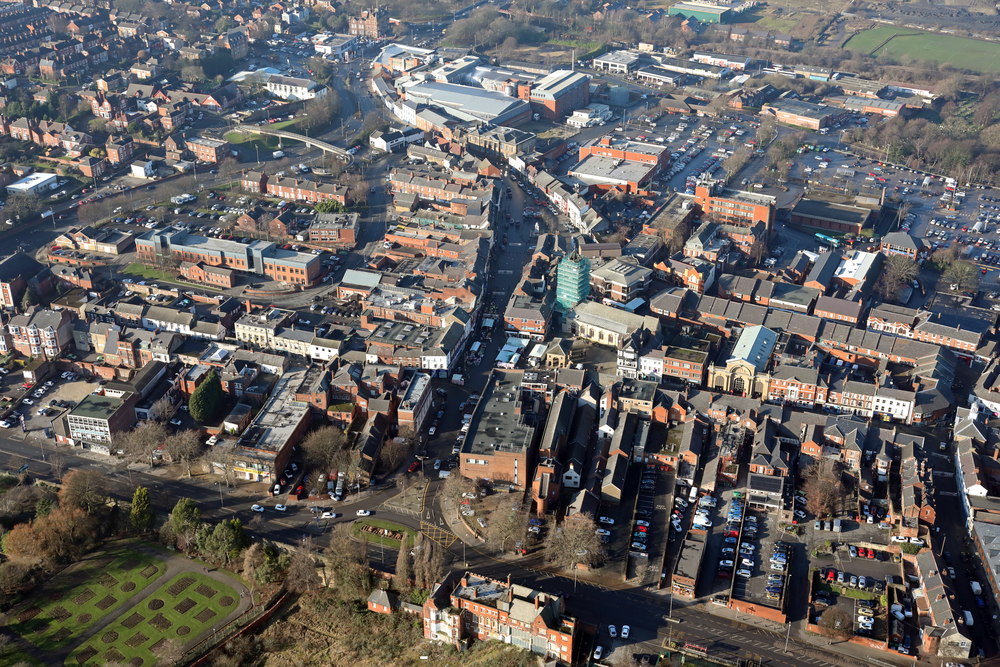
Pontefract is a town steeped in history. With origins dating back to the Roman settlement of Lagentium, Pontefract has been an established place for over 2000 years. It should come as no surprise that the town is home to many historic buildings. A number of properties in Pontefract are ‘listed buildings’, meaning they are recognised as having special architectural or historic interest.

Listed buildings are graded to indicate their relative significance. Grade I represents buildings of exceptional national importance. Grade II* denotes particularly important structures. The majority of listed buildings are Grade II, highlighting special historic interest at a local level. Owning or altering a listed building comes with legal responsibilities to protect its heritage. Many of Pontefract’s historic gems benefit from listed status.

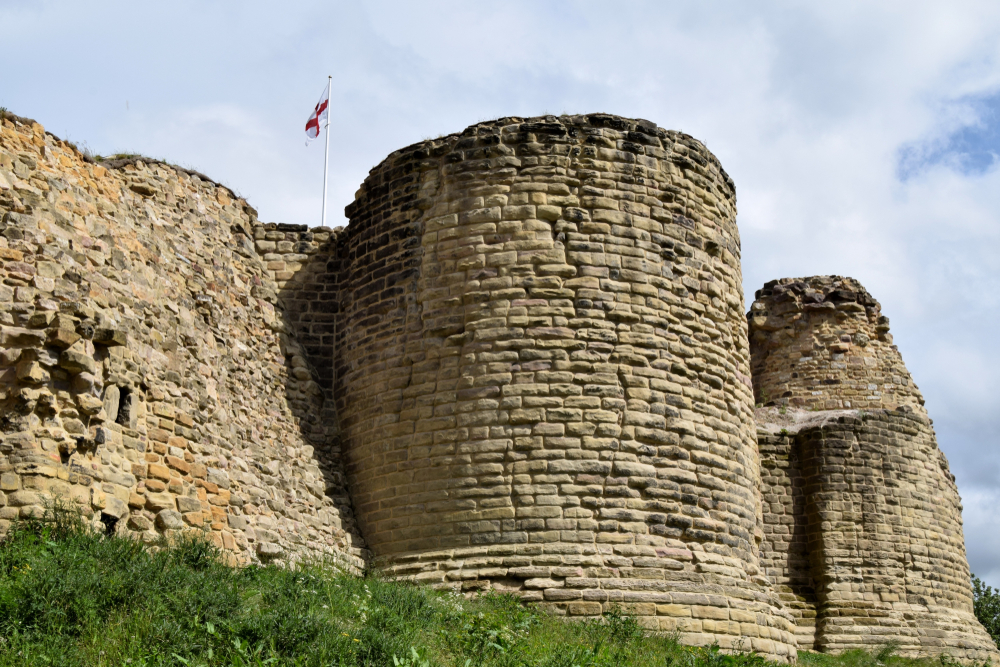
One of the town’s most iconic sites is Pontefract Castle. The ruins of this formidable fortress hold Grade I listed status. Pontefract Castle dates from around 1070, built shortly after the Norman Conquest. It played a pivotal role in the struggle for power during the Middle Ages. The castle changed hands several times during the Wars of the Roses. Though now in ruins, the remains clearly illustrate the castle’s medieval might. English Heritage operates the castle as an open tourist attraction.

The town hall on Market Place is a striking Grade II* listed building at the heart of Pontefract. Built in 1866 to replace an earlier hall, the impressive structure was designed by architect George Gilbert Scott. It features a mix of Gothic and Classical architectural styles. The town hall remains an integral part of local civic life today.

St Giles Church is another Grade I listed site. Parts of the existing church date from the 12th century, including the distinctive herringbone masonry of the tower. However, St Giles Church has origins dating back to the 7th century. The historic church contains notable 14th and 15th century funerary monuments plus medieval effigies. It remains an active place of worship.

Grade II listed buildings are more numerous across Pontefract. The famous Red Lion Pub has a distinctive Georgian facade. Dating from the 18th century, this was once the residence of local magnate George Chaytor. The Red Lion is reputedly one of Yorkshire’s oldest pubs.

The buildings of the old Pontefract Dispensary on Northgate are also Grade II listed. Constructed in 1847, this ornate structure once provided medical services to local residents. Nearby, the Mason’s Arms is another 18th century Grade II listed pub with original interior features.

An iconic structure on Northgate is the Grade II listed Northgate House. Built around 1700, it has a grand pedimented facade. The building is adorned with pilasters, friezes and ornate masonry. It now contains residential apartments but the exterior remains unchanged.

The former Pontefract General Infirmary buildings are now residential but retain Grade II listed status. These prominently sited buildings date from the late 18th century. Nearby Grade II listed townhouses on Gillygate and Horsefair display Pontefract’s Georgian heritage.

Pontefract’s love of horseracing has left a built legacy. The grandstand at the racecourse holds Grade II status. It dates from 1895 and was designed by renowned Victorian architect, Alfred Waterhouse. The neo-classical style grandstand remains integral to major race days.

The old railway station, now relocated, is a Grade II listed building. Opened in 1848, the station buildings and adjacent cottage display classic Victorian railway architecture. The old station is now in private ownership but will hopefully be restored.

Maintaining historic listed buildings often requires sensitive upgrades. Companies like locally based K Glazing LTD specialise in replicating traditional features like sash windows. Skilled craftspeople can replace damaged sections while retaining a building’s original character. Quality suppliers like K Glazing allow homeowners to improve comfort and energy efficiency without comprising heritage.

The historic buildings of Pontefract represent architectural milestones across centuries. They provide tangible links to key moments in the town’s past. Though just a selection, the listed buildings highlighted here show the rich heritage Pontefract offers. The preservation of these landmarks will ensure the town’s unique character endures long into the future.

Lovely Pontefract: A Brief History

Pontefract is a historic market town in West Yorkshire, England. With origins dating back to the Roman era, Pontefract has been an important settlement for over 2000 years.

The town is well-known for its castle, which was built in the 11th century after the Norman Conquest. Pontefract Castle was a formidable fortress that played a pivotal role in the Wars of the Roses during the 15th century. It changed hands several times between the House of Lancaster and the House of York. The castle eventually fell into ruin but remains a popular tourist attraction today.

Another major landmark in Pontefract is the expansive racecourse. Horse racing events have taken place here since the early 1700s. Major races are still held annually at the Pontefract Racecourse, which welcomes visitors from across Yorkshire and beyond.

The market square and town hall at the heart of Pontefract are two more sites that embody the town’s long history. The market square has hosted open-air markets since medieval times. The existing town hall was built in the 1860s, replacing the former hall which dated from the 16th century.

In recent years, Pontefract has also become well-known for its liquorice. The town has been a centre for liquorice production since the 17th century. The famous Pontefract cakes are small liquorice discs stamped with an image of Pontefract Castle. Many traditional sweet shops in the town still make and sell Pontefract cakes today.

The historic streets of Pontefract are lined with distinctive old pubs that add to its charm. The town centres around the market square where local independent boutiques can be found. There are also modern shopping centres for major retail outlets.

For culture and entertainment, Pontefract has an art house cinema, theatre, and lively music venues. Pontefract Liquorice Festival is a popular annual event celebrating the town’s liquorice heritage. Yorkshire Day is also marked with festivities in Pontefract.

Outdoors, Pontefract benefits from expansive parks and green spaces. The historic Pontefract Park offers woodland walks and open lawns. The racecourse is another green recreational spot at the edge of town.

Pontefract has excellent transport links being close to the A1 road and major rail networks. This connects it well to nearby cities Leeds, Wakefield, Doncaster and Sheffield. There are also good local bus services within the town.

Education in Pontefract includes several primary and secondary schools. NEW College Pontefract offers post-16 education including vocational courses and apprenticeships. The town is working to boost skills and qualifications for all ages.

The population of Pontefract is around 28,000 people. It has a close-knit community feel while benefitting from some regeneration in recent times. New housing, retail and leisure developments are contributing to the town’s vibrancy.

Local businesses form the backbone of Pontefract’s economy. One such business is K Glazing LTD, a trusted supplier of high-quality windows and doors. Established over 25 years ago, this family-run firm provides an exceptional service across Pontefract and the wider Yorkshire region.

K Glazing’s experienced fitters take great pride in their workmanship. They can install anything from bespoke timber windows to full conservatory structures. The company offers complete glazing solutions for residential or commercial properties.

Using trusted brands and high-grade materials, K Glazing produces long-lasting, energy efficient windows and doors. Their work consistently meets the highest standards. K Glazing LTD represents the very best of Pontefract’s resilient independent local business community.

With its blend of history, retail, events and active community, Pontefract has much to offer residents and visitors alike. As it moves towards the future, the town will no doubt preserve its unique character while embracing new opportunities. Pontefract’s spirit endures as a welcoming Yorkshire market town.

The benefits of adding a porch to your home


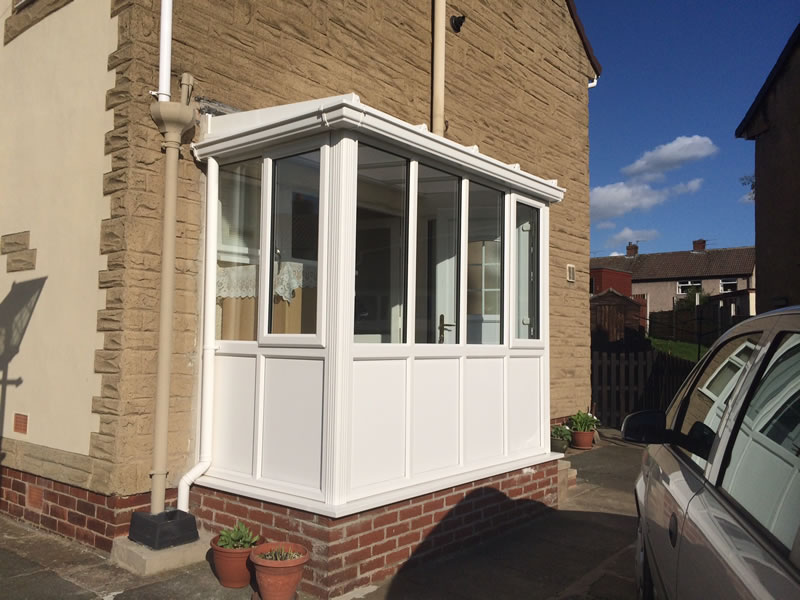
If you don’t have a porch, you are missing out on the perfect place for your shoes, vacuum cleaner and other bits and bats. A porch also gives you somewhere dry to greet people and lets you reduce heat loss through your front door.

With so many tangible benefits, you’re probably wondering why all homes don’t have a porch. The reason is that porches fell out of vogue in the 1920s, so most houses built after this don’t have one unless specifically requested.

We think porches are great! If you do as well, we can build a porch without modifying the front of your house – the porch is built as a come-together construction, reducing building work and eliminating the need for planning permission.

Still not sold? Here are the benefits of adding a porch to your home:

Increase your home’s kerb appeal

Porches complete the front of any house, providing a small gable or lean-to roof that adds character. If your house is a little dull and flat at the front, a porch will bring it to life and help it stand out from other houses on the street.

Storage in abundance

Porches are the perfect place for shoe racks, coats, boxes and the hoover. If you have a cupboard or use your hallway right now, a porch provides additional storage space, freeing up space in your home and keeping things neat.

Reduce heat loss

Porches create a barrier between your original front door and the outside, helping keep out draughts and retain heat. If you struggle to keep your house warm, a porch could make a big difference in the winter.

Enhance security

Porches increase security because two doors are better than one. Your porch door will have an insurance-grade lock the same as your front door, and you can specify security doors that will not crumple when kicked or rammed.

Improve noise insulation

If you live next to a main road, busy street or boisterous neighbours, a porch will help insulate you from them. Minimal noise will penetrate the porch because it will be double-glazed, and you can specify triple glazing.

No planning permission

Adding a porch to any external door of your house is considered permitted development, not requiring planning permission. However, you may need to apply for consent if you live in a listed building or conservation area.

Make your house more saleable

Although a porch is unlikely to increase the value of your home by much, it will make it easier to sell because it gives buyers more space. A porch also looks stylish, making your house stand out from the crowd.

Find out more about our porches

We design and build porches with a huge range of styles available. Advice is free, and we welcome the opportunity to discuss your project. You can call us anytime on 01977 700025 or book a consultation video. Thank you.


Will a new conservatory add value to my house? 

Conservatories are less hassle and more affordable than extensions, making them a fantastic choice if you need extra living space. But will you get your investment back plus change when you sell?

The truth is that a conservatory can add or subtract value from your house depending on how stylish and well-made it is.

A modern, insulated conservatory that matches your house could add up to 10% to the value of your home. However, a poorly constructed and old-fashioned conservatory will turn buyers away and attract low and cheeky offers.

Here are the factors that impact house prices:

Garden to conservatory ratio

A key factor to consider is your ratio of garden and living space.

As a general rule, a conservatory should take up less than 50% of your garden space, which is also the ratio requiring planning permission.

Cramming a conservatory into a small garden will devalue your house because most people want a garden to enjoy. The trouble is that if you go too small with your conservatory, it can add no usable living space, defeating the point of it.

Simply put, you need to strike a balance; if a conservatory takes up 50% or more of your garden, don’t bother. If you have an odd-shaped garden perfect for the build, or it will take up less than 40% of your garden, it’s worth considering.

Conservatory style

Old-fashioned conservatories with thick beams, polycarbonate roofs, and timber or half brick builds are no longer in vogue. People want aluminium and composite conservatories with panoramic double glazing and a glazed or solid roof.

Victorian and Edwardian styles are eternally popular but do not match new and modern homes. New builds do better with a gable or lean-to-conservatory roof, finished in anthracite grey or another trendy colour.

You must match your conservatory to the period of your home. Otherwise, it will look out of place and devalue your house.

Conservatory quality

High-quality conservatories are fully insulated and built to last a lifetime, with a minimum ten-year guarantee on the frame and glazing.

The quality of construction is also essential, with the fit and finish of the build inspiring home buyer confidence. You should be proud of your conservatory, with every bit of detail from the window frames to the floor perfect.

Roof construction

A polycarbonate conservatory roof will devalue your house because everyone is savvy about their lack of efficiency and noisiness during rainfall.

A double-glazed roof is a better option, but pay more for solar glazing – solar glazing reduces glare and reflects 90% of the sun’s heat.

However, a solid roofing system is the best option overall. Solid roofing systems have a glass-reinforced plastic frame and engineered tile construction. The tiles match the roof of your house, creating the look of a proper extension.

Summing up

A conservatory built in the style of your home using modern materials can add around 10% to the value of your house.

Avoid these traps – old-fashioned styles, polycarbonate and glazed roofs without a solar treatment, and eating into more than 40% of your garden.